
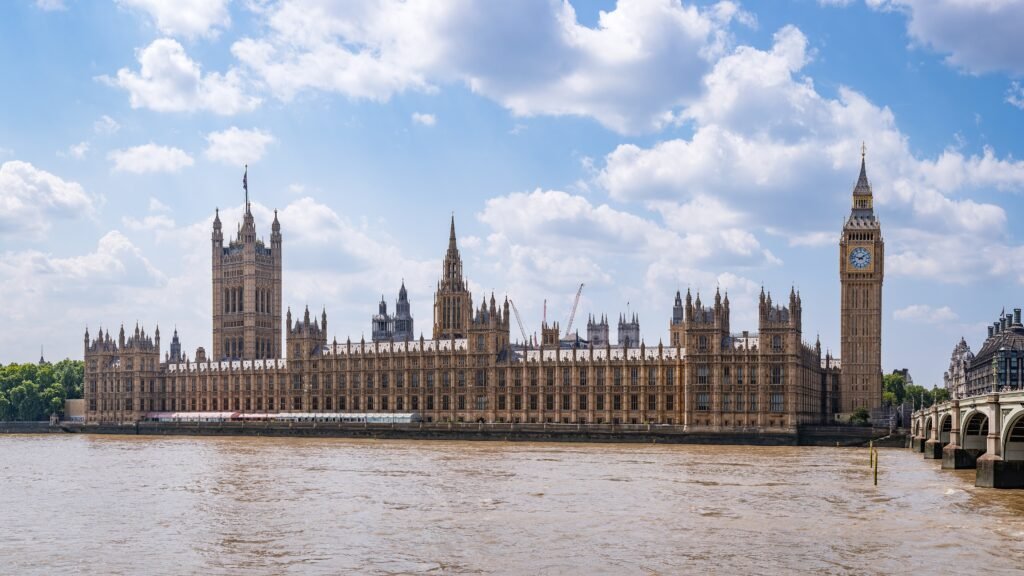
Across the center, London behaves like several dense pedestrian worlds joined by transport rather than one continuous sightseeing district. Inside each cluster, the terrain is mostly flat, and attractions often sit close enough for long, rewarding walks. Parks, bridges and riverfront paths make many central connections worth covering on foot. A Westminster-to-Tower walk is possible, but adding South Kensington turns a sightseeing day into transfer mileage. That scale changes the role of transit: it preserves time for streets and places where walking adds something. The result is a city best explored through connected walking zones, not by forcing every famous sight into one route.
Is London Walkable for a Weekend?
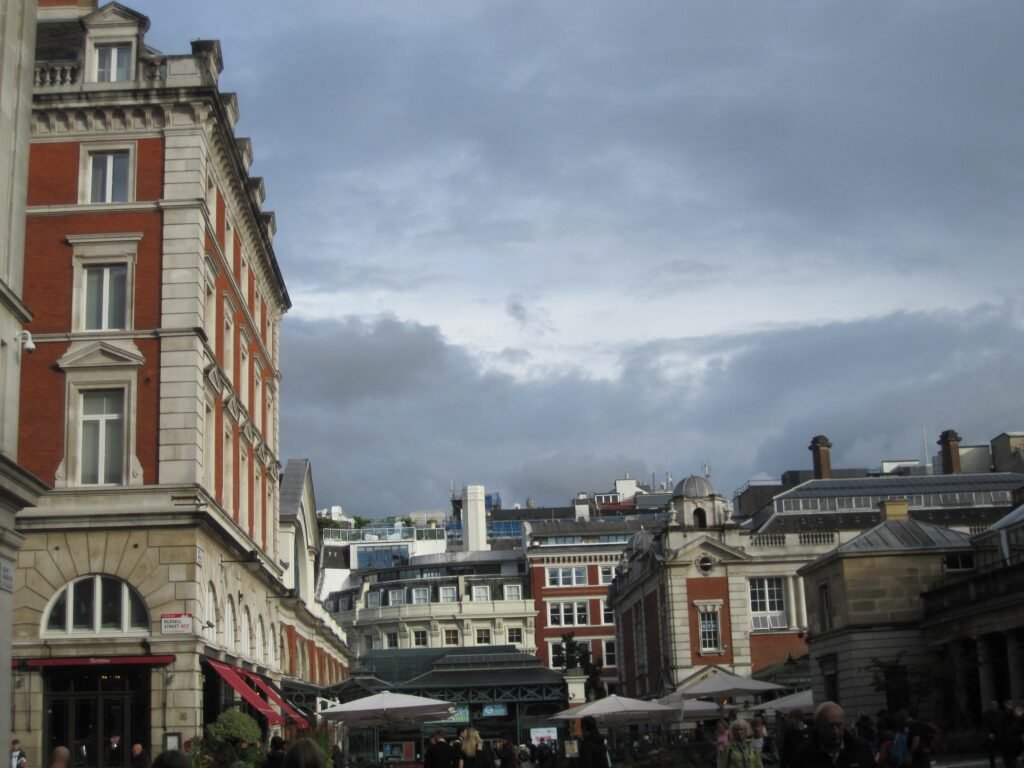
For the typical 2–3 day visitor, the answer is yes—with a cluster strategy. Visit London guidance describes central London as easy to explore on foot and specifically highlights walkable areas such as Covent Garden and Soho, while recommending the Underground for longer distances. That distinction matches the practical geography on the ground: many famous sights are close to something else worth seeing, but not necessarily close to every other famous sight.
The western core is the strongest continuous example. Buckingham Palace, St James’s Park, Westminster Abbey, Big Ben, Trafalgar Square, Soho and Covent Garden can be combined without repeatedly opening a transit app. The Royal Parks map gives only about five minutes from St James’s Park to Westminster, and Visit London places Covent Garden within easy walking distance of Trafalgar Square, Leicester Square, Soho and the Thames.
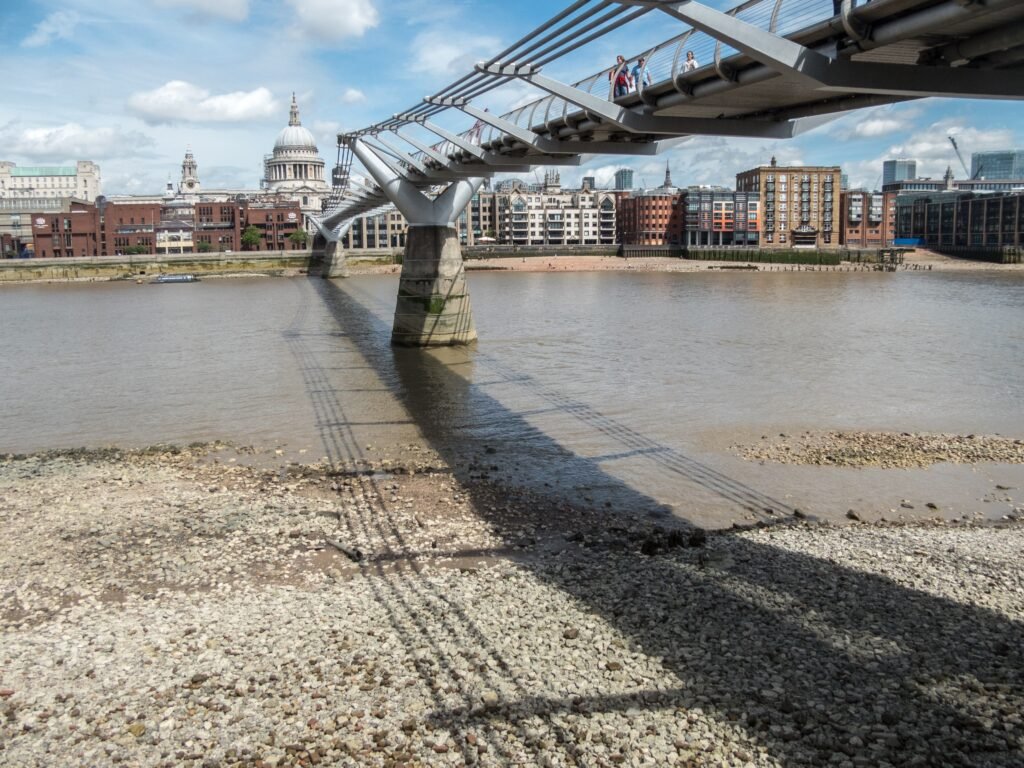
The South Bank adds another unusually useful pedestrian spine. Its wide, flat riverside promenade lets visitors move between Westminster Bridge, the London Eye, Southbank Centre, Tate Modern and the Bankside area with the river acting as a constant orientation line. Across the Thames, pedestrian bridges such as Millennium Bridge create high-value connections rather than merely solving a transport problem.
Where London Stops Feeling Compact
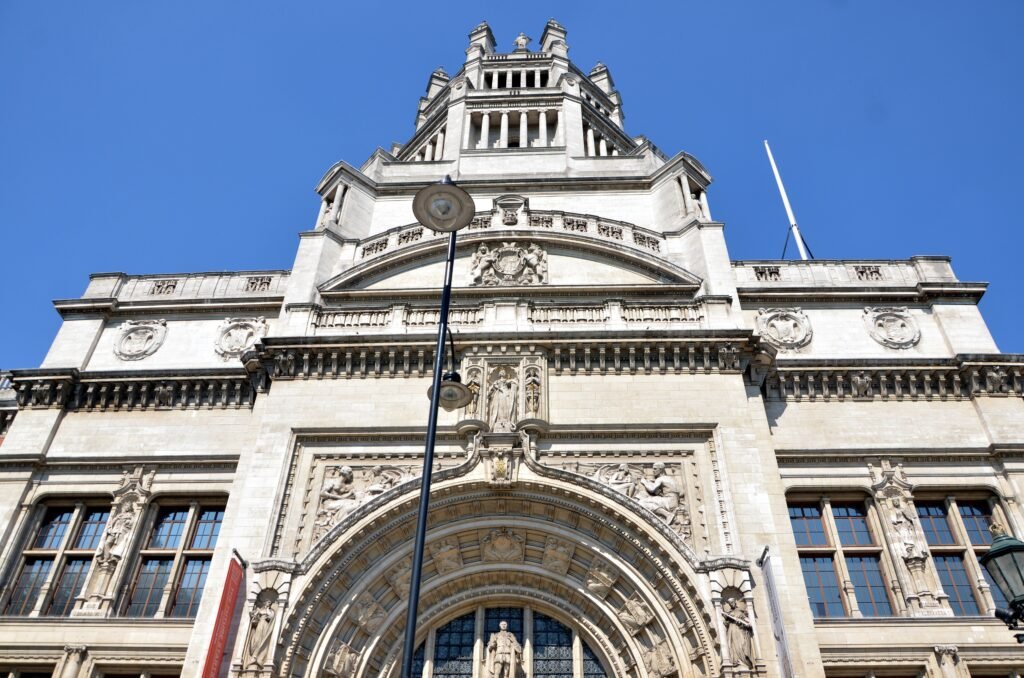
London’s main limitation comes from the gaps between clusters, not from a shortage of good walking. South Kensington is the clearest example. The Natural History Museum, Victoria and Albert Museum and Science Museum sit almost on top of one another—Visit London gives roughly four minutes between the Natural History Museum and the V&A—but the museum district is far enough west of Westminster and Covent Garden that repeated all-foot transfers waste time.
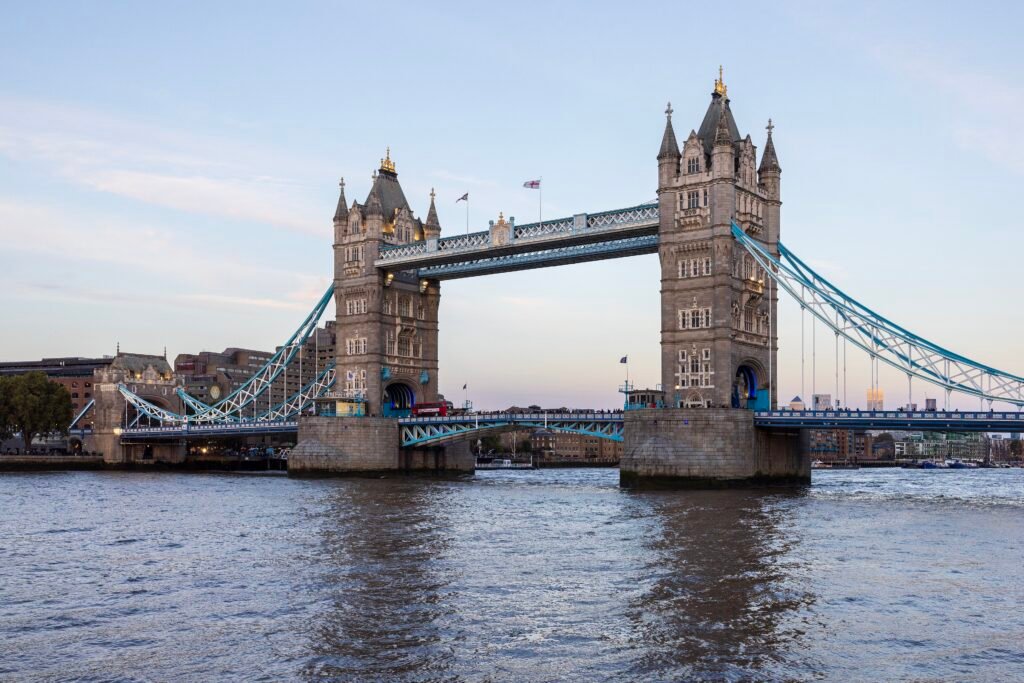
The same pattern appears in the east. St Paul’s, Millennium Bridge, Tate Modern, Shakespeare’s Globe, Borough Market, Tower Bridge and the Tower of London form an excellent walking day once you are there. What is less efficient is treating that eastern route as the same pedestrian district as Buckingham Palace or South Kensington. Westminster to the Tower is roughly a 45–50 minute surface walk at a normal planning pace, before sightseeing stops or crowds.
Bloomsbury sits between these extremes. The British Museum, Georgian squares, University of London area and proximity to St Pancras/Euston make it a strong walking base, but the neighborhood is not equally close to the royal sights, South Kensington museums and Tower cluster. London therefore works best as several overlapping walkable districts connected by excellent transit.
Pedestrian Conditions: Strong, but Not Frictionless
Sidewalk continuity is generally strong across the visitor core, and central London includes pedestrianized streets, parks, river promenades and formal crossings. The South Bank is especially forgiving because the main promenade is broad and mostly flat. St James’s Park and Green Park create pleasant alternatives to traffic-heavy streets, while Covent Garden and parts of Soho reward slow neighborhood walking rather than point-to-point transport.
The main sources of walking friction are crowding, large junctions and street complexity. Busy station approaches and major shopping or attraction corridors can slow the pace even when the physical sidewalk is wide. TfL and London government guidance also treats pavement clutter, wayfinding and crossing design as continuing public-realm issues, so a famous central address should not automatically be read as a perfect pedestrian environment.
Wayfinding is better than the historic street pattern might suggest. Legible London signs are designed to appear at important pedestrian decision points, and landmarks such as the Thames, Parliament, St Paul’s and major parks help orientation. Still, the most visually direct line can fail when the next bridge is farther away, a large junction requires several staged crossings or a station exit puts you on the wrong side of a complex interchange.
Where to Stay for the Most Walkable London Weekend
Covent Garden / Soho
For most first-time visitors, this is the best overall compromise. The West End, Trafalgar Square, Seven Dials, Leicester Square, Strand and the Thames are close, and several Tube lines are nearby when you need South Kensington, the Tower or an airport/rail connection. The tradeoff is crowding rather than distance.
Westminster / St James’s
Choose this area if royal, political and park landmarks are the priority. Buckingham Palace, St James’s Park, Westminster Abbey and Parliament Square fit naturally into one walking day. It is slightly less balanced than Covent Garden for east-London and South Kensington trips, but transit coverage is excellent.
South Bank / Waterloo
This is the strongest riverside option. You can walk directly along the Thames, cross to Westminster or the West End on several bridges and use Waterloo’s rail and Underground connections for the longer gaps. It works particularly well for travelers who want a quieter evening base than Soho without giving up central access.
Bloomsbury
Bloomsbury is a practical central-north base for the British Museum, Russell Square, St Pancras and Euston. The streets and squares are walkable, while the Tube quickly handles the royal sights or the City. It is a good choice for rail travelers who value an easy station arrival.
City / Tower Hill
Stay here if the Tower, St Paul’s, Borough Market and eastern Thames walks matter more than nightly West End access. Weekend streets in parts of the City can feel calmer, and the Day 2 route in this guide becomes especially easy. The drawback is the long westward distance to Westminster and South Kensington.
South Kensington
This is the strongest museum-focused base. The Natural History Museum, V&A and Science Museum are tightly grouped, Hyde Park is close and several Tube lines make the rest of central London easy to reach. It is less efficient if most of your itinerary is in the West End and City, because those cross-town journeys quickly become too long for repeated walking.
Representative Walking Times
Use these as planning estimates rather than promises. St James’s Park to Westminster is about 5 minutes on the Royal Parks map, while the Natural History Museum to the V&A is about 4 minutes according to Visit London. Trafalgar Square to Covent Garden is roughly 10 minutes, Covent Garden to the British Museum about 15 minutes, and St Paul’s to Tate Modern via Millennium Bridge about 10–12 minutes.
The more revealing numbers are the cross-cluster walks. Borough Market to Tower Bridge is roughly 15–20 minutes, which is still a useful sightseeing connection. Westminster to South Kensington is closer to 40–45 minutes, and Westminster to the Tower is roughly 45–50 minutes. Those longer walks are perfectly possible, but on a short trip they should be chosen because you want the walk itself—not because you are trying to avoid one Tube or bus ride.
A 2-Day Walking-Focused London Route
These two days deliberately leave major attractions out. The goal is to show the most efficient London pattern: build each day around one side of the center, walk heavily where the street experience and attraction density justify it, then use transit to position for the next cluster instead of crossing the city on foot just to prove that it is technically possible.
Day 1: Westminster, St James’s, South Bank and Covent Garden
Walking route
Day 1: Westminster, St James’s, South Bank and Covent Garden
- Buckingham Palace
- St James’s Park
- Westminster Abbey
- Elizabeth Tower (Big Ben)
- Westminster Bridge
- London Eye
- Southbank Centre
- Somerset House
- Covent Garden Piazza
Start at Buckingham Palace, then walk through St James’s Park toward Westminster Abbey and Big Ben. Cross Westminster Bridge and keep the next section on the pedestrian-friendly South Bank, passing the London Eye and Southbank Centre. At Waterloo Bridge, cross back to Somerset House and finish in Covent Garden for dinner or an evening performance.
The outdoor route is about 3.4–4 miles before optional park loops, attraction interiors and detours. It works because the river crossing is part of the sightseeing rather than dead mileage, and the finish puts you beside several Tube stations instead of requiring a return walk to the start.
Day 2: St Paul’s, Bankside, Borough Market and Tower Bridge
Walking route
Day 2: St Paul’s, Bankside, Borough Market and Tower Bridge
- St Paul’s Cathedral
- Millennium Bridge
- Tate Modern
- Shakespeare’s Globe
- Borough Market
- Hay’s Galleria
- Tower Bridge
- Tower of London
If you are staying in Westminster or the West End, take the Tube or a bus to the St Paul’s area first. From there, cross the pedestrian Millennium Bridge to Tate Modern, continue past Shakespeare’s Globe, detour into Borough Market, then rejoin the Thames near Hay’s Galleria. Follow the river east to Tower Bridge, cross to the north bank and finish at the Tower of London.
The walking portion is roughly 3.1–3.4 miles. This is one of London’s strongest examples of walking adding real value: much of the route stays beside the river, the bridge crossings are attractions in their own right and the sights arrive in a logical eastward sequence. Tower Hill makes the return trip easy when the walking day is over.
Getting Around London Without a Car
For a visitor who walks most of the day, London transit works best as a repositioning tool. Use the Tube, Elizabeth line or bus when the next area is 30–50 minutes away on foot and the intervening streets are not the point of the itinerary. This is especially useful for Westminster or Covent Garden to South Kensington, the West End to the City/Tower area, and any hotel-to-route positioning at the start or end of the day.
Payment is unusually simple. TfL recommends contactless pay-as-you-go or Oyster for visitors, and daily/weekly caps apply when the same card or device is used consistently. That removes much of the friction from taking just two or three strategic rides rather than buying transport specifically for every sightseeing leg.
Evening coverage is also strong. Night Tube runs on Friday and Saturday nights on the Central, Jubilee, Northern, Piccadilly and Victoria lines, while night buses provide overnight coverage beyond those corridors. Exact services can change during engineering work, so check TfL close to travel rather than building a weekend around a temporary closure or diversion.
Arriving in London Without a Car
Heathrow Airport
Heathrow is straightforward without a car, but it is not a low-distance arrival. The Elizabeth line serves Heathrow’s passenger terminals and runs directly through central stations including Paddington, Tottenham Court Road, Farringdon and Liverpool Street. Heathrow’s Piccadilly line service is slower but reaches useful central areas including King’s Cross St Pancras, Leicester Square and Piccadilly Circus. Heathrow Express is the fastest rail option to Paddington, but it is most useful when Paddington itself is convenient for your hotel or onward route.
Gatwick Airport
Gatwick is also easy to use without a car. The airport rail station is at South Terminal, with a free shuttle from North Terminal. Gatwick Express runs to Victoria, while Southern and Thameslink provide additional direct options to central London, including London Bridge, Blackfriars, Farringdon and St Pancras. The practical journey is still an airport transfer, but the rail choices make a rental car unnecessary for a central stay.
St Pancras and Other Rail Terminals
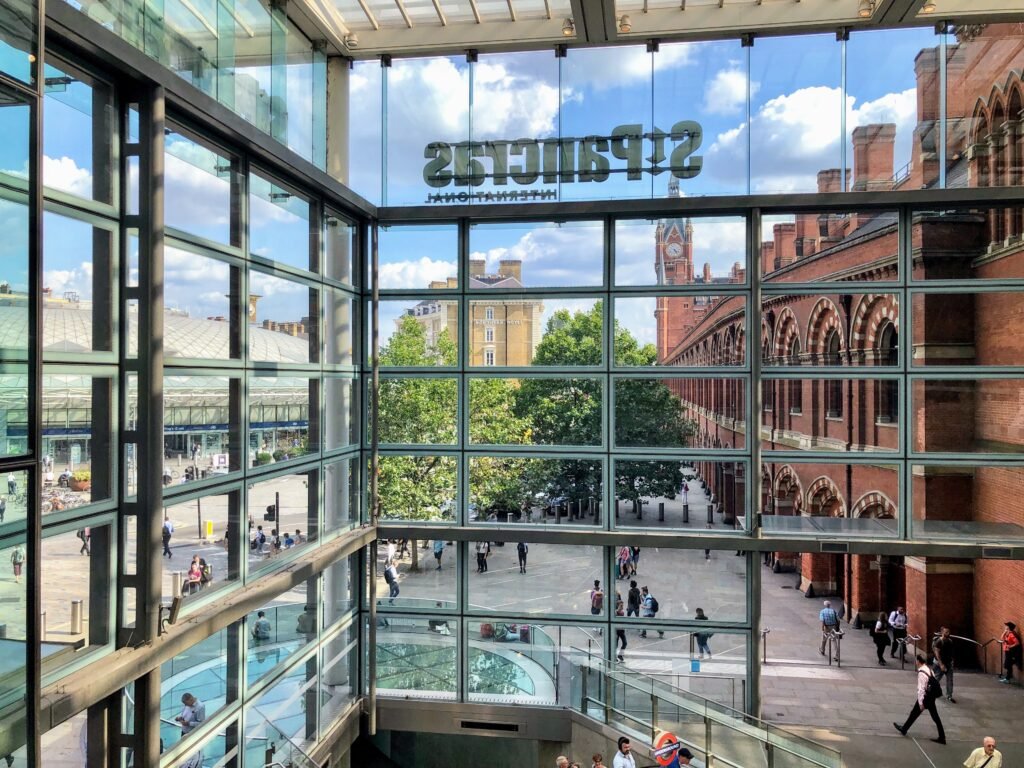
International rail can be even easier because St Pancras International is already in central London. Eurostar notes that King’s Cross is under a five-minute walk and Euston about 15 minutes away, with several Underground lines directly below the station complex. Major domestic terminals such as Waterloo, Victoria, Paddington, King’s Cross, Euston and Liverpool Street similarly deliver passengers into central transport nodes rather than to an outlying airport.
When a Car Becomes Useful
A private car adds little to a standard central London weekend. Parking, congestion and the need to move between dense central districts make walking plus transit the simpler default. Even many obvious regional trips start naturally by rail.
A car becomes more useful when London is only the starting point for a wider itinerary built around rural villages, multiple countryside stops or destinations where the last mile is poorly served by public transport. That is a different trip from spending two or three days around Westminster, the West End, South Bank, the City and the major museum districts.
Practical Walking Tips
Plan by cluster and river bank, not by a citywide checklist. If two attractions are 40–50 minutes apart and the route between them is mostly transfer mileage, take transit and save your steps for the destination. Conversely, do not take the Tube for a five- or ten-minute link such as St James’s Park to Westminster or Trafalgar Square to Covent Garden.
At major intersections, follow formal crossings even when the monument you want is visible diagonally across the road. Around stations, check the exit before you leave the paid area because a wrong exit can add several minutes in large complexes. Along the Thames, confirm which bridge you need before committing to one bank; the river is a strong orientation tool only when the crossing choice is correct.
Remember that museum days hide a lot of indoor walking. South Kensington can look effortless on a street map because the institutions are only minutes apart, but several hours inside the V&A, Natural History Museum or Science Museum can add thousands of steps. The same applies to the Tower of London, Tate Modern and large galleries, so leave some margin rather than filling every route with extra neighborhoods.
Seasonal Walking Note
London supports a walking-focused visit throughout the year, but seasonal conditions change comfort and pacing. Winter’s shorter daylight and wet surfaces can make long outdoor routes feel slower, while summer and holiday periods can bring heavier crowds around the West End, South Bank and headline landmarks.
Bottom Line
London is an excellent city to visit without a car, but its strength is walkable clusters plus outstanding transit—not compactness. Spend full stretches on foot in Westminster and the West End, along the South Bank, around South Kensington’s museums and through the City/Bankside/Tower corridor. Use the Tube, Elizabeth line or buses between those clusters when the next walk would mostly be a transfer. That approach gives you the street-level London experience without turning a short weekend into a mileage challenge.