
From Lime Street, the central visitor spine drops west through shops and music streets before reaching the Mersey waterfront. St George’s Hall, Mathew Street, Liverpool ONE, Mann Island, and Royal Albert Dock sit inside a compact walking network. The pattern changes south and east, where Hope Street, both cathedrals, and the Baltic Triangle extend the weekend footprint. Waterfront promenades are broad and attractive, yet dock basins and The Strand can make short map distances less direct. Most central walks are manageable, while climbs toward the cathedrals add noticeable effort.
Why Liverpool Works So Well on Foot
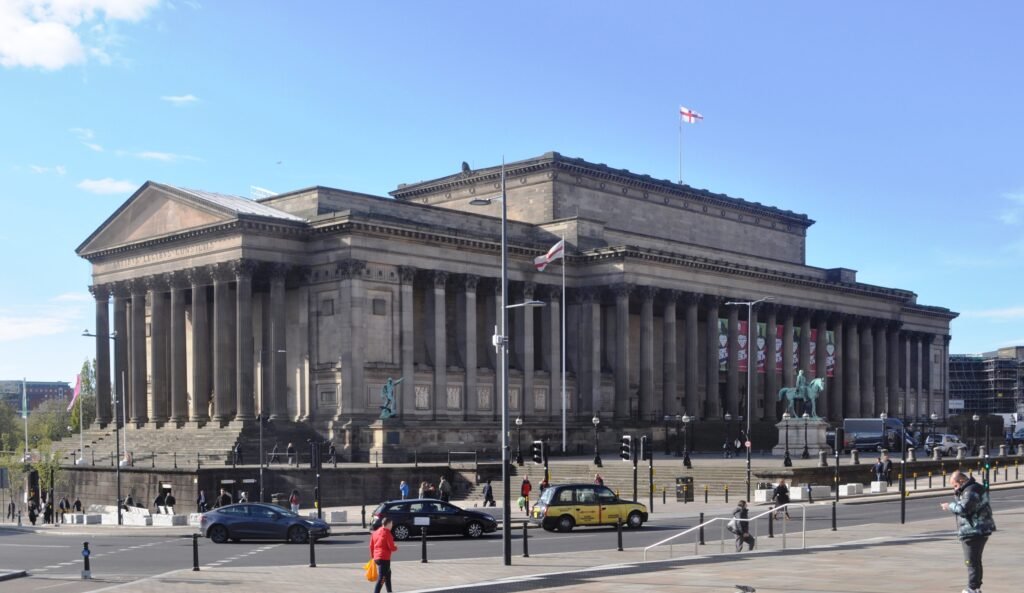
Liverpool’s strongest walking sequence starts at its main rail gateway. St George’s Hall sits beside Lime Street Station, and the central retail streets begin immediately beyond. Mathew Street anchors the Cavern Quarter farther west, before Liverpool ONE opens into a large pedestrian-focused shopping network. From there, the waterfront is a natural continuation rather than a separate excursion.
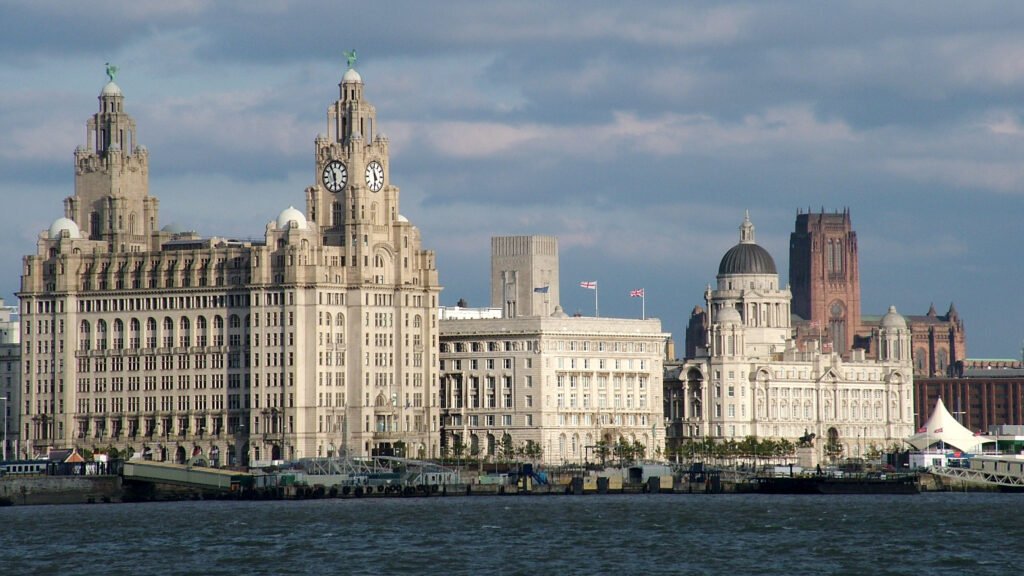
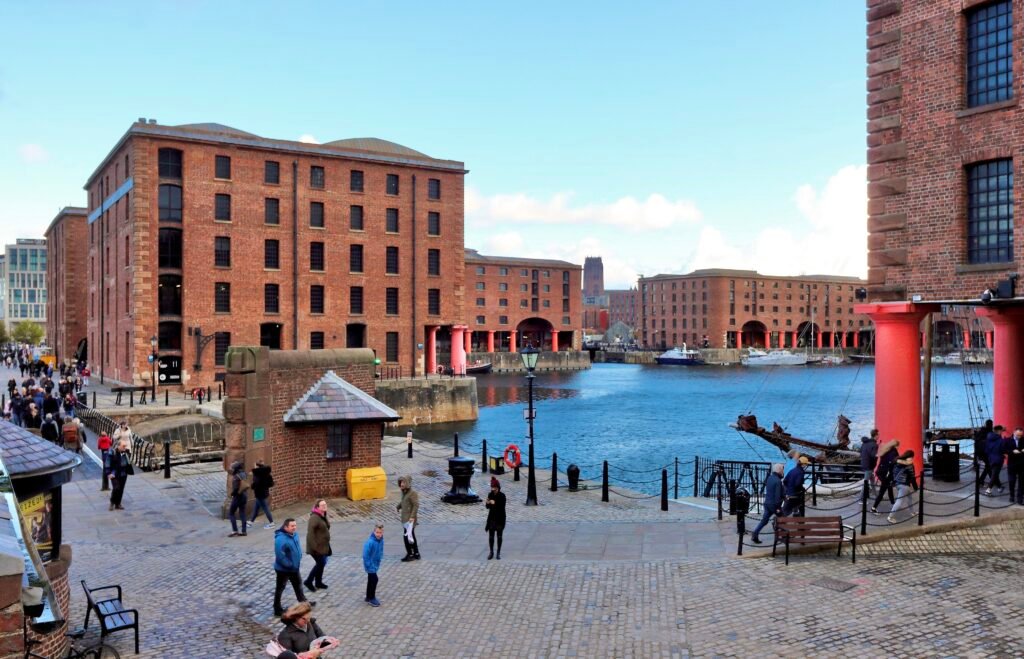
The waterfront is one of Liverpool’s biggest pedestrian strengths. Royal Albert Dock, Mann Island, the Museum of Liverpool, and Pier Head connect through long promenades with little steep climbing. Route quality and route efficiency are not identical, however. Dock basins and The Strand can direct walkers toward specific crossings, so the shortest-looking line on a map may not be the best one.
Best Areas to Stay for Walking
Liverpool ONE and the Ropewalks edge
This is the strongest all-round base for a first visit. The Cavern Quarter, Royal Albert Dock, Pier Head, Bold Street, Liverpool Central, and the main bus station are all within practical walking range. It also keeps restaurants, shops, and everyday visitor services close to the hotel.
Cavern Quarter and the Commercial District
Stay here if music history and central positioning matter most. Mathew Street lies between Lime Street and the waterfront, while Moorfields provides useful Merseyrail access. The tradeoff is evening noise around the busiest entertainment streets.
St George’s Quarter and Lime Street
This area minimizes arrival friction for rail travelers. St George’s Hall is immediately outside the station, with the Cavern Quarter and Liverpool ONE farther west. The waterfront remains walkable, although Mann Island is about a 20-minute walk from Lime Street.
Georgian Quarter
The Georgian Quarter suits visitors prioritizing Hope Street, the two cathedrals, theaters, and handsome residential streets. It feels more removed from the retail core and waterfront, and the return walk involves more gradient than a Liverpool ONE stay.
Useful Liverpool Walking Times
These are practical planning estimates for typical central routes, not mobility-specific timings.
St George’s Hall from Lime Street: about 3–5 minutes.
Mathew Street from Lime Street: about 10–12 minutes.
Mann Island from Lime Street: about 20 minutes.
Liverpool ONE to Royal Albert Dock: about 8–10 minutes.
Royal Albert Dock to Pier Head: about 8–12 minutes.
Metropolitan Cathedral from Lime Street: about 10 minutes.
Metropolitan Cathedral to Liverpool Cathedral: about 12–15 minutes via Hope Street.
A 2-Day Walking Route
The two days use different halves of the visitor footprint. Day 1 follows the compact central spine to the waterfront. On the second day, begin near the cathedrals before continuing south toward the Baltic Triangle without retracing the same streets.
Day 1 — Lime Street, Cavern Quarter and the waterfront
Walking route
Day 1: Lime Street, Cavern Quarter and the waterfront
- Liverpool Lime Street Station
- St George’s Hall
- Mathew Street
- Liverpool ONE
- Royal Albert Dock
- Tate Liverpool + RIBA North
- Museum of Liverpool
- Pier Head
Begin at Liverpool Lime Street and cross toward St George’s Hall before heading west into the central shopping streets. Mathew Street provides the music-history stop, then Liverpool ONE becomes the pedestrian link toward the docks. Continue through Royal Albert Dock and Mann Island before finishing at the Museum of Liverpool and Pier Head rather than walking back uphill through the retail core.
Day 2 — Cathedrals, Georgian streets and the Baltic Triangle
Walking route
Day 2: Cathedrals, Georgian Quarter and Baltic Triangle
- Liverpool Metropolitan Cathedral
- Liverpool Everyman
- Falkner Square
- Liverpool Cathedral
- Chinatown Gate
- Baltic Triangle
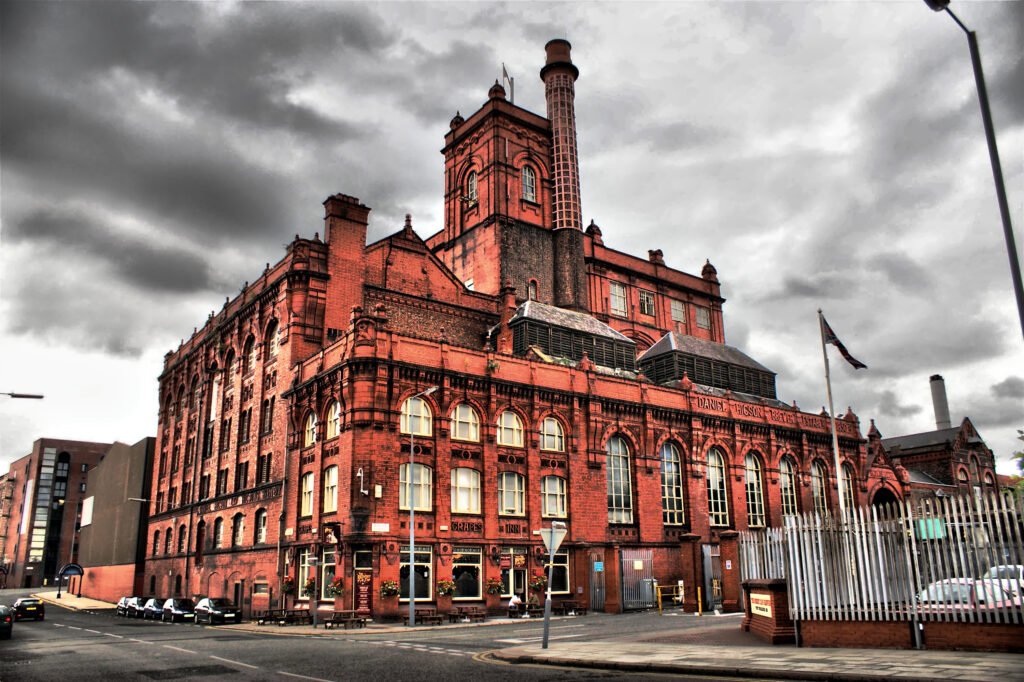
- Baltic Market at Cains Brewery Village
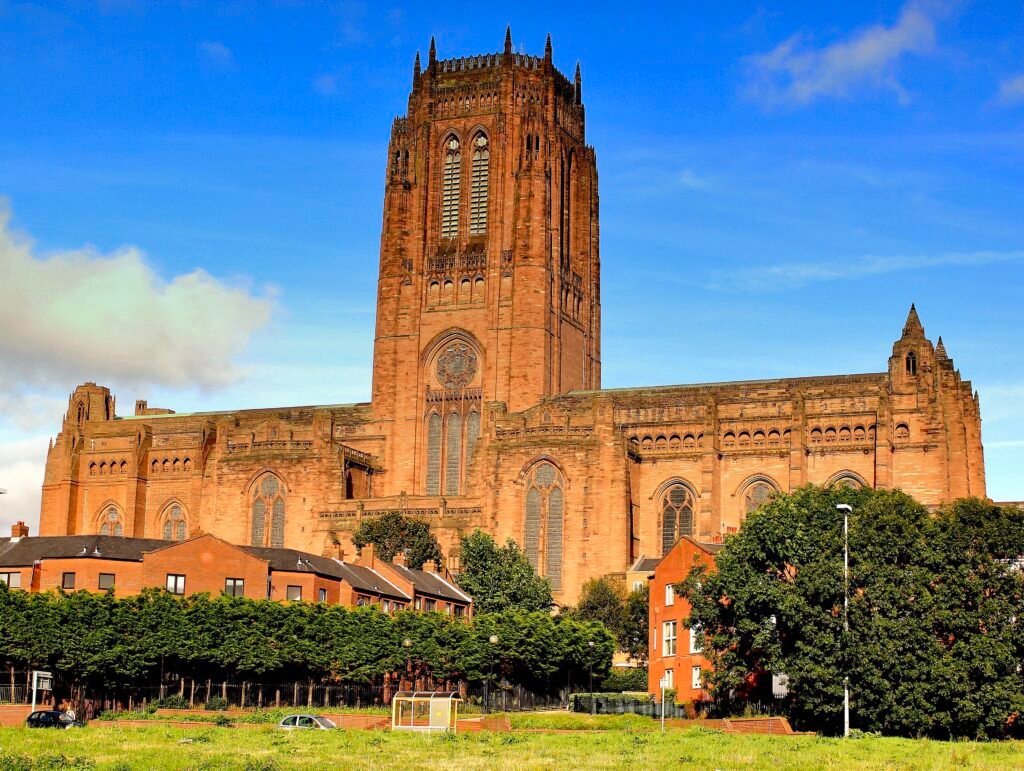
Start at the Metropolitan Cathedral, then follow Hope Street through the Georgian Quarter. A short detour into Falkner Square adds the district’s residential architecture before Liverpool Cathedral. From St James Mount, continue through Chinatown and finish around Jamaica Street and Cains Brewery Village. Ending in the Baltic Triangle avoids repeating the uphill route; use a bus back if the return mileage adds little value.
When Transit Helps
Merseyrail is most useful for longer journeys that add little value on foot. James Street serves the waterfront side of the center, while Moorfields and Liverpool Central provide convenient access to other parts of the visitor core. Service frequency varies by line, day and time, so check the current Merseyrail timetable before travel.
Contactless and digital payment options make occasional local journeys straightforward, although ticketing rules can change. Buses are particularly useful when you want to reduce the effort of the cathedral corridor, Baltic Triangle or airport journey. Ferry trips from Pier Head provide a scenic cross-river experience but are not necessary for connecting Liverpool’s main central sights.
Arriving Without a Car
Liverpool Lime Street is an excellent arrival point for a car-free city break. St George’s Hall sits beside the station, while the Cavern Quarter, Liverpool ONE and the waterfront are all within practical walking distance. Many centrally based visitors can therefore leave the train and begin the weekend without another transfer.
Liverpool John Lennon Airport is farther from the center but remains straightforward to use without a car. Public buses connect the terminal with central Liverpool, while another option is to connect with the rail network via Liverpool South Parkway. Routes, frequencies and journey times can change, so check current Merseytravel and airport information before departure.
Station lifts and engineering work can change at short notice, so travelers who require step-free interchange should check National Rail and Merseyrail status pages before departure.
When a Car Helps
A private car adds little to this two-day city itinerary. Central parking and inner-city driving do not improve access to the compact visitor spine, and the major rail gateway is already downtown. A car becomes more useful for dispersed rural day trips beyond the city region, especially when several outlying stops must be combined in one day.
Walking Limitations and Practical Tips
Keep the cathedral and Baltic extension together instead of adding both after a full waterfront day. The climb toward Mount Pleasant and Hope Street is noticeable, even though Liverpool is not a severely hilly city. Around the docks, choose signed crossings rather than assuming the most direct visual line across The Strand or around a basin will work.
Waterfront museums and cultural venues can occasionally close, relocate or operate around redevelopment work. If a particular museum is essential to your weekend, check its official opening information before travel rather than building the walking route around a temporary arrangement.
Seasonal Walking Comfort
The waterfront is exposed to wind and rain, which can make long promenade sections feel colder than inland streets. Carrying a light waterproof layer and pairing outdoor stretches with museums or indoor stops makes a weekend more comfortable. Wind, rain and colder temperatures can make the same waterfront walk feel longer, so allow extra time when conditions are poor.
Bottom Line
Central Liverpool concentrates enough major sights to make walking the default for a two- or three-day visit. Lime Street, the Cavern Quarter, Liverpool ONE and the waterfront form the easiest continuous walking area, while the cathedrals and Baltic Triangle work better as a separate extension. Merseyrail and buses are useful for longer or tiring gaps, and a rental car adds little to a standard city break.