
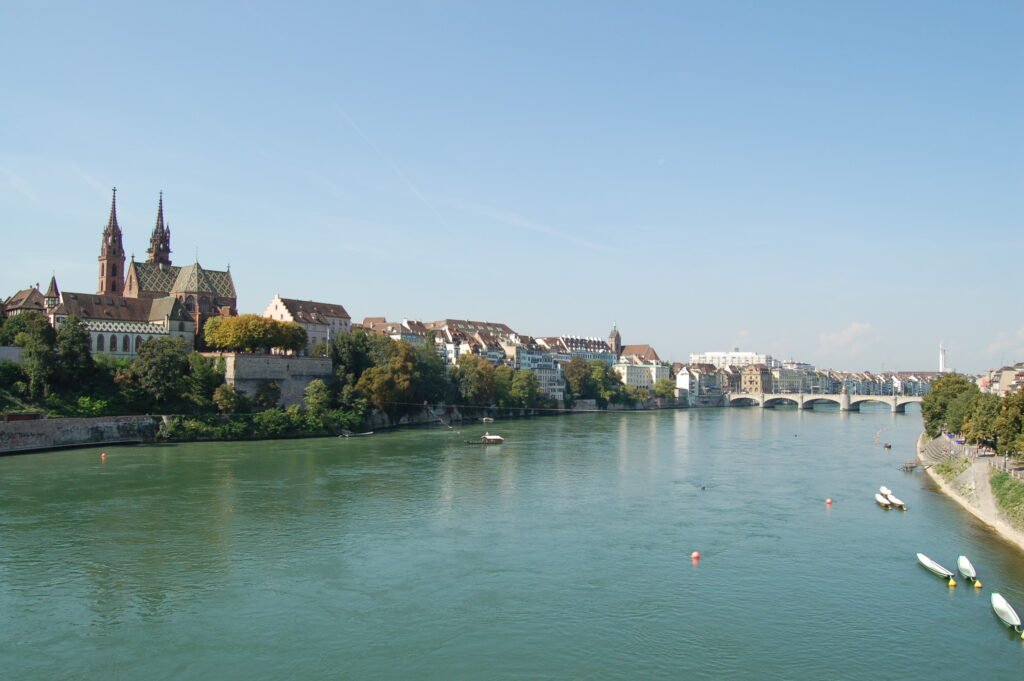
From the railway station to the Rhine, Basel compresses most first-time sightseeing into a short, coherent walking corridor. Barfüsserplatz, Marktplatz, the Rathaus, Münsterplatz and Kunstmuseum sit close enough for sightseeing to flow naturally between stops. The river separates Grossbasel from Kleinbasel, yet Mittlere Brücke turns that divide into an easy pedestrian connection. Historic paving, short slopes above the Rhine and tram tracks require more attention than the distances suggest. Museum Tinguely stretches the eastern edge, while Fondation Beyeler belongs to a separate Riehen extension best reached by transit.
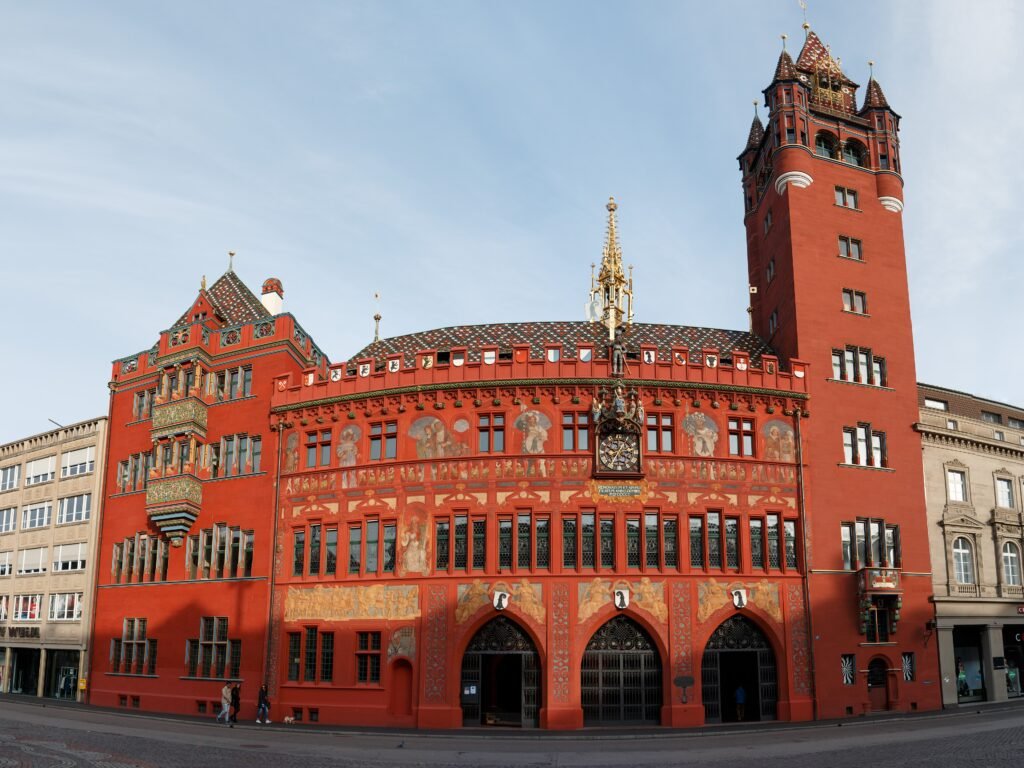
Why Basel Works So Well on Foot
Basel SBB sits just south of the historic centre, close enough for the first sightseeing walk to begin almost immediately. Centralbahnplatz leads naturally toward Theaterplatz and Barfüsserplatz, then into the tighter lanes around Marktplatz and the Rathaus. From there, the Old Town rises toward Münsterplatz and Spalenberg in short sections rather than one sustained climb. The Rhine is a strong orientation line, and Mittlere Brücke keeps Kleinbasel firmly connected to the central walking experience.
Compactness does not make every street effortless. Basel’s pedestrian zones still share space with trams in important central corridors. Historic lanes can be narrow, winding and paved with stone, while rails demand attention when crossing. Those details matter more to walking comfort than distance. They also explain why a short route can feel busier underfoot than its mileage suggests.
Best Areas to Stay for a Walking Weekend
| Area | Best for | Walking trade-off |
|---|---|---|
| Old Town / Barfüsserplatz | The strongest all-around sightseeing base | Historic paving and tram activity are part of the central street environment. |
| Marktplatz / Rhine edge | Rathaus, Münster and easy Kleinbasel access | Some lanes rise away from the river. |
| Basel SBB / Centralbahnplatz | Rail and airport-transfer convenience | The station is close to the core, but not inside every Old Town attraction cluster. |
| Kleinbasel / Rheingasse | Rhine walking and the eastern side | Most classic Old Town landmarks remain across the river, though Mittlere Brücke makes that easy. |
Typical Walking Times in Basel
These are practical planning estimates rather than guaranteed walking times. Traffic signals, tram crossings, crowds and chosen lanes can change the actual time.
| Walk | Typical time |
|---|---|
| Basel SBB to Tinguely Fountain | 8–10 min |
| Basel SBB to Barfüsserplatz | 12–15 min |
| Barfüsserplatz to Marktplatz | 6–8 min |
| Marktplatz to Spalentor | 10–12 min |
| Marktplatz to Münsterplatz | 8–10 min |
| Kunstmuseum Basel to Münsterplatz | 6–8 min |
| Münsterplatz / Pfalz to Mittlere Brücke | 8–10 min |
| Mittlere Brücke to Museum Tinguely | 25–30 min |
A 2-Day Walking Route
These two days divide Basel by geography rather than arbitrary mileage. The first route moves from the station through the civic core and western Old Town. On the second day, the route follows Münsterhügel to the Rhine, crosses once, then continues east through Kleinbasel.
Day 1 — Station, Civic Core and Western Old Town
Walking route
Day 1 — Basel SBB, Civic Core and Western Old Town
- Basel SBB
- Centralbahnplatz
- Tinguely Fountain
- Barfüsserplatz
- Marktplatz
- Basel Town Hall (Rathaus)
- Spalenberg
- Spalentor
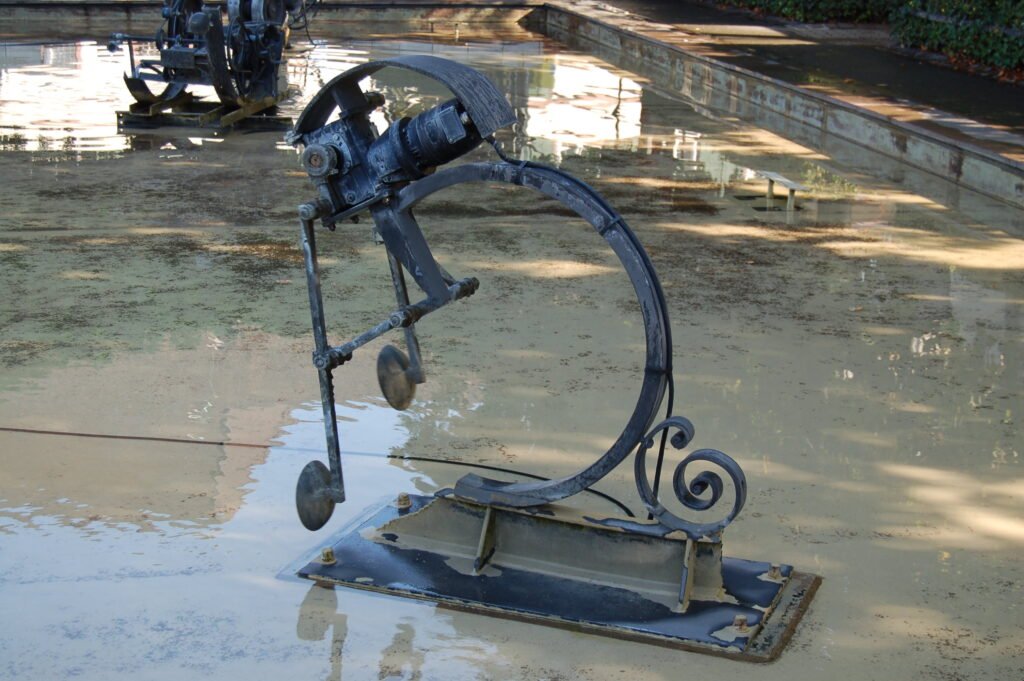
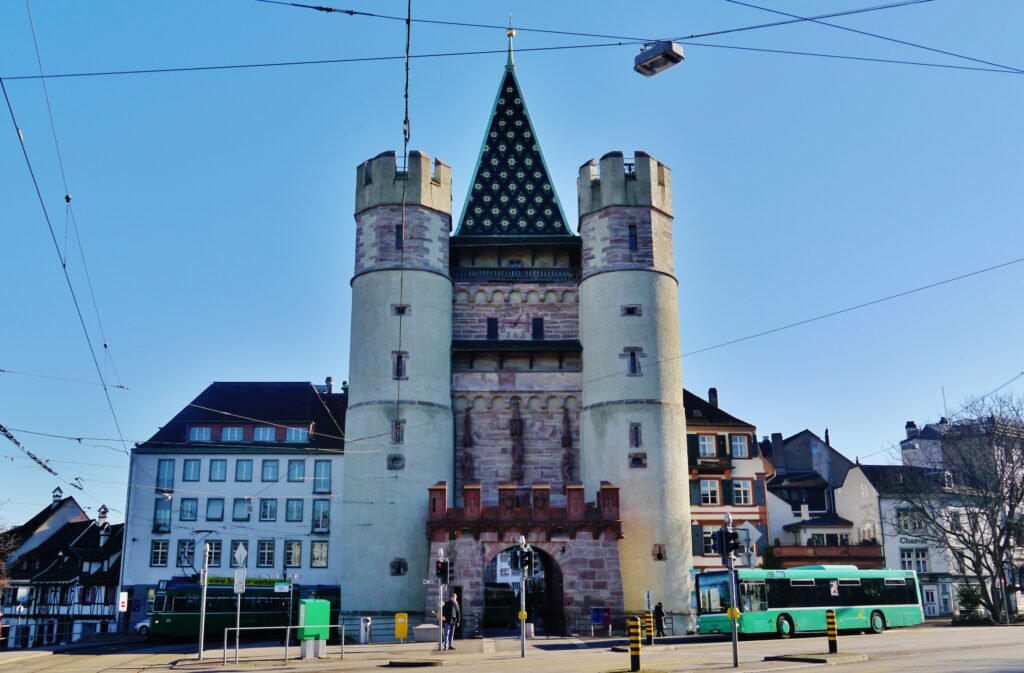
Start at Basel SBB and cross Centralbahnplatz toward Theaterplatz, where Tinguely Fountain makes a useful first central stop. Continue to Barfüsserplatz, then Marktplatz and the Rathaus without detouring away from the Old Town spine. After Marktplatz, climb gradually through Spalenberg and finish at Spalentor. This keeps the route one-directional and saves the Rhine, Münster and Kleinbasel for the second day.
Day 2 — Münster, Rhine, Kleinbasel and Museum Tinguely
Walking route
Day 2 — Kunstmuseum, Münster, Rhine and Museum Tinguely
- Kunstmuseum Basel Hauptbau
- Münsterplatz
- Basel Minster
- Pfalz
- Rheinsprung
- Mittlere Brücke
- Rheingasse
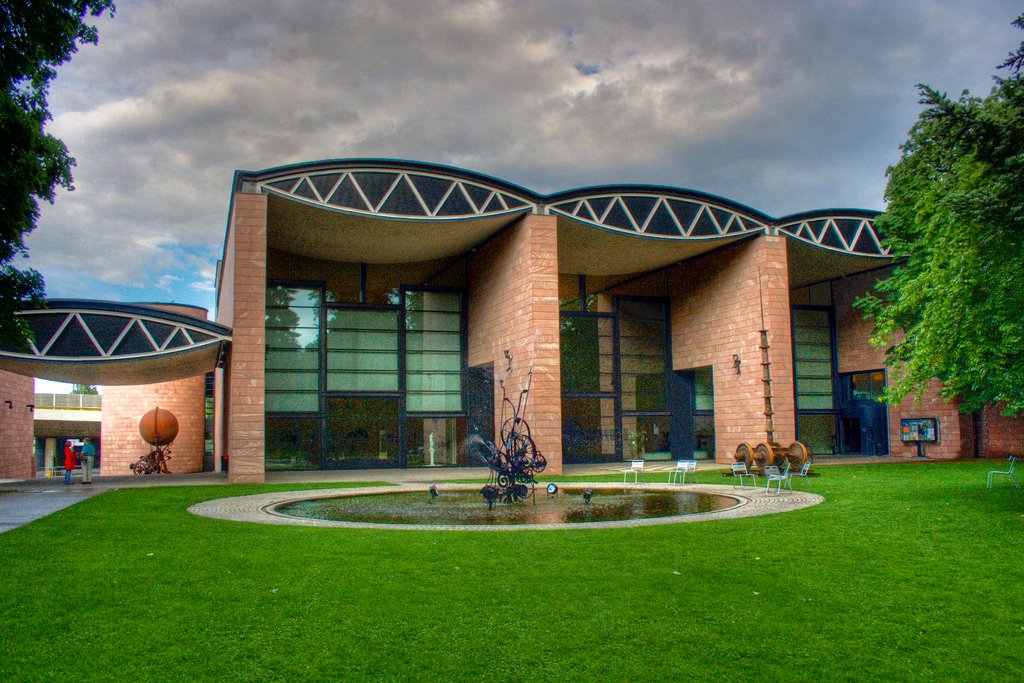
- Museum Tinguely
Begin at Kunstmuseum Basel, then walk to Münsterplatz and the Minster before stepping onto Pfalz above the Rhine. Descend through the historic lanes toward Mittlere Brücke and cross into Kleinbasel. From Rheingasse, continue east along the river toward Museum Tinguely. That final stretch is worthwhile on foot, while public transport makes a sensible return after the museum.
Using Basel’s Trams Without Overusing Them
Basel’s trams are most valuable when they save low-value mileage rather than replace short central walks. They are especially useful from Basel SBB, toward Badischer Bahnhof, and for the Riehen trip to Fondation Beyeler. Museum Tinguely also has straightforward bus connections when the riverside walk does not fit your schedule. Core sightseeing between Barfüsserplatz, Marktplatz, Münsterplatz and Mittlere Brücke is usually more rewarding on foot.
TNW offers short-trip, single-journey and day-ticket options for visitors. Electronic purchase is available through several apps, including check-in and check-out options. The zone system takes a little orientation, so occasional riders should check the current ticket products before boarding. Eligible overnight guests receive BaselCard transport benefits, which can simplify local travel.
Arriving in Basel Without a Car
Basel SBB sits beside Centralbahnplatz and close to the central walking corridor, so many rail arrivals can reach a hotel or the Old Town with a short walk or tram ride. EuroAirport Basel Mulhouse Freiburg is also well connected by public transport, with BVB Line 50 providing a direct link to Basel SBB. Check the current timetable before travel.
Basel Badischer Bahnhof matters for some German and cross-border rail arrivals, especially on the eastern side. It does not change the basic visitor strategy: reach the nearest central stop, then walk within the compact core. For hotel guests, BaselCard rules also provide useful first-transfer benefits from the airport or railway station.
When a Car Helps
A private car adds little to a standard two-day Basel city break. Parking and central street restrictions work against the strongest walk-first itinerary, while trams cover the useful urban extensions. A car becomes more relevant for wider regional trips that combine rural destinations or several cross-border stops in one day. Weil am Rhein, the Vitra Campus and French-side excursions should be treated as regional additions, not evidence of a larger walkable core.
Walking Limitations and Practical Tips
Watch your footing where tram rails cross pedestrian routes, especially around the busiest central squares. Historic paving can also feel uneven compared with modern sidewalks. The Old Town rises in short sections toward Münsterhügel and Spalenhügel, and some routes include steps. Most visitors will find these climbs manageable, but an accessible route may need gentler street alternatives.
Use the Rhine as your main orientation line rather than treating it as a boundary. Mittlere Brücke is the most useful central crossing for linking the two sides on foot. If Museum Tinguely feels too far after a full day, shorten the riverside walk and use the local network. For Fondation Beyeler, start with transit rather than turning Riehen into an artificial extension of the city-centre walk.
Seasonal Walking Notes
Basel’s compact street pattern works in every season, but comfort changes with heat, cold, rain and riverfront exposure. Summer can favor evening Rhine walks, while winter rewards shorter loops with indoor museum stops. Large events can also change crowd levels and exact tram operations. Check live transport information before travel when temporary construction or event diversions are active.
Bottom Line
Basel works best when the Old Town and Rhine are treated as one connected pedestrian system. Most headline sights fit into short, worthwhile walks, and Mittlere Brücke makes Kleinbasel easy to include. Use trams for outer museums, airport transfers and tired legs rather than for every central hop. For a Walkable Weekend, a well-placed hotel and two geographically tidy walking days are enough without a private car.