
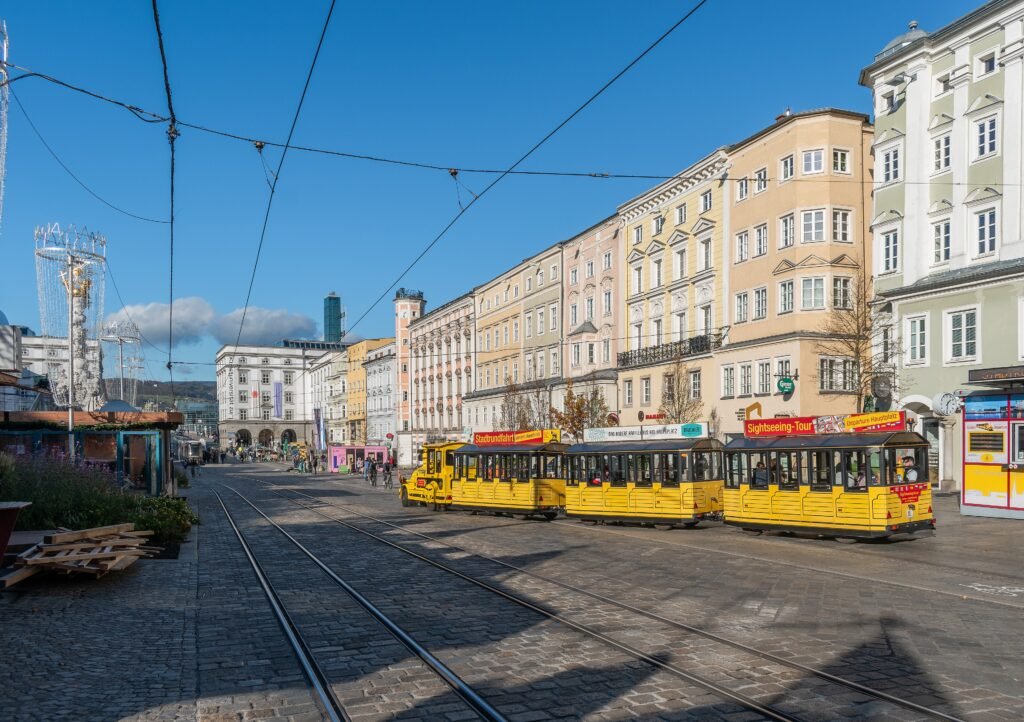
Linz organizes a first visit along one unusually clear axis between the main station, Landstraße, Hauptplatz, and the Danube. Much of the historic core sits just off that line, including Mariendom, Alter Dom, the Old Town, and Schlossmuseum. At the river, Lentos faces a short bridge connection to Ars Electronica, so the Danube acts more like a seam. The pattern changes quickly beyond the center. Schlossmuseum adds a brief climb, while Pöstlingberg rises well outside the flat central walking network. Industrial attractions farther east also break the compact pattern. That contrast makes Linz simple to understand: walk the central spine, then use transit for the vertical or outer extensions.
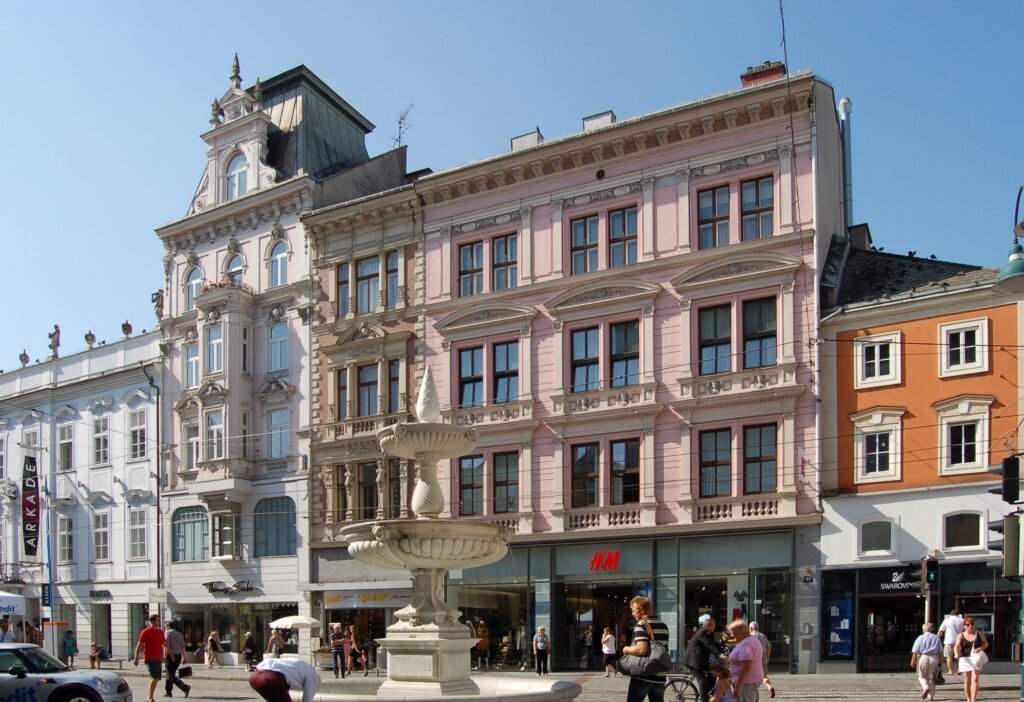
How Linz’s Central Walking System Fits Together
Hauptbahnhof sits south of the main sightseeing core, but it connects cleanly to the city through Volksgarten and Landstraße. The city identifies this as a principal pedestrian approach, and the route becomes increasingly visitor-focused toward Hauptplatz. Mariendom sits only a short diversion west of the spine. Alter Dom, Altstadt and Schlossmuseum cluster around its northern end.
Hauptplatz then meets the Danube within a few minutes. Lentos occupies the south bank, while Ars Electronica sits directly across Nibelungenbrücke. That bridge keeps the river from behaving like a major barrier in the central visitor system. Pöstlingberg, Mural Harbor and voestalpine Stahlwelt are different: each belongs to a separate outer cluster.
Best Areas to Stay for a Walking Weekend
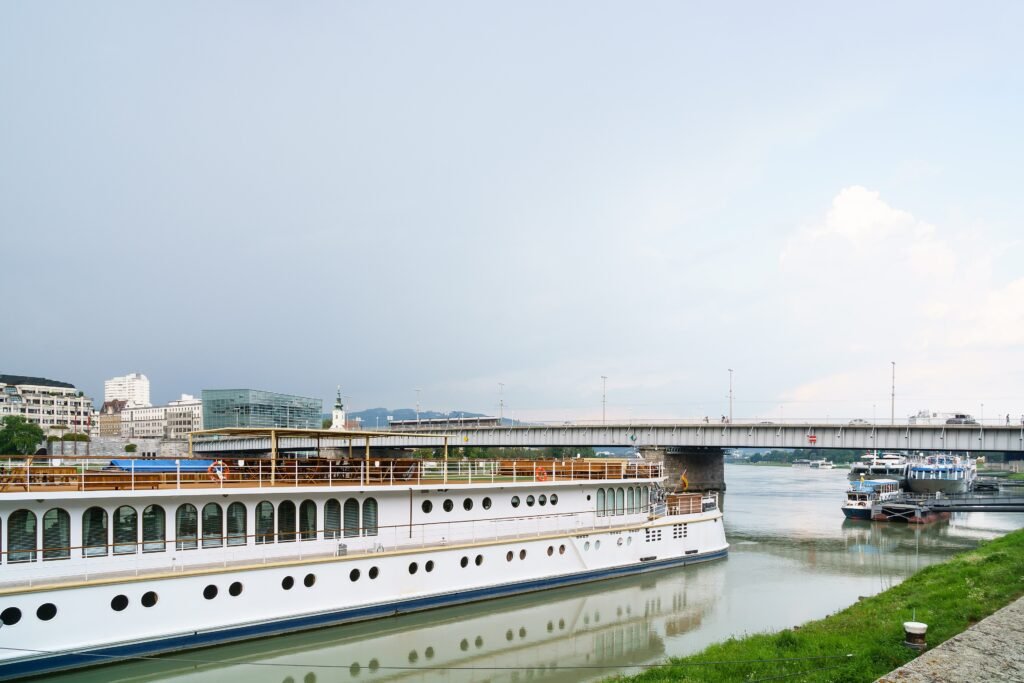
Hauptplatz and Altstadt give the shortest access to the historic center, Schlossmuseum, Lentos and the Danube. Landstraße and Mariendom balance central sightseeing with cafés, shopping and everyday services. The riverfront works especially well for Lentos, Brucknerhaus and Ars Electronica.
The Hauptbahnhof area is best for rail convenience rather than maximum sightseeing proximity. Hauptplatz is roughly a 22–25 minute walk down the central axis, and trams are easier with luggage. Urfahr near Ars Electronica is workable, but most historic sights remain across Nibelungenbrücke.
Realistic Walking Times in Linz
These are practical planning estimates rather than guaranteed walking times. Hauptbahnhof to Hauptplatz takes about 22–25 minutes, while Hauptbahnhof to Mariendom is about 15–18 minutes. Mariendom to Hauptplatz takes roughly 8–10 minutes. Alter Dom sits only about 2–3 minutes from the square.
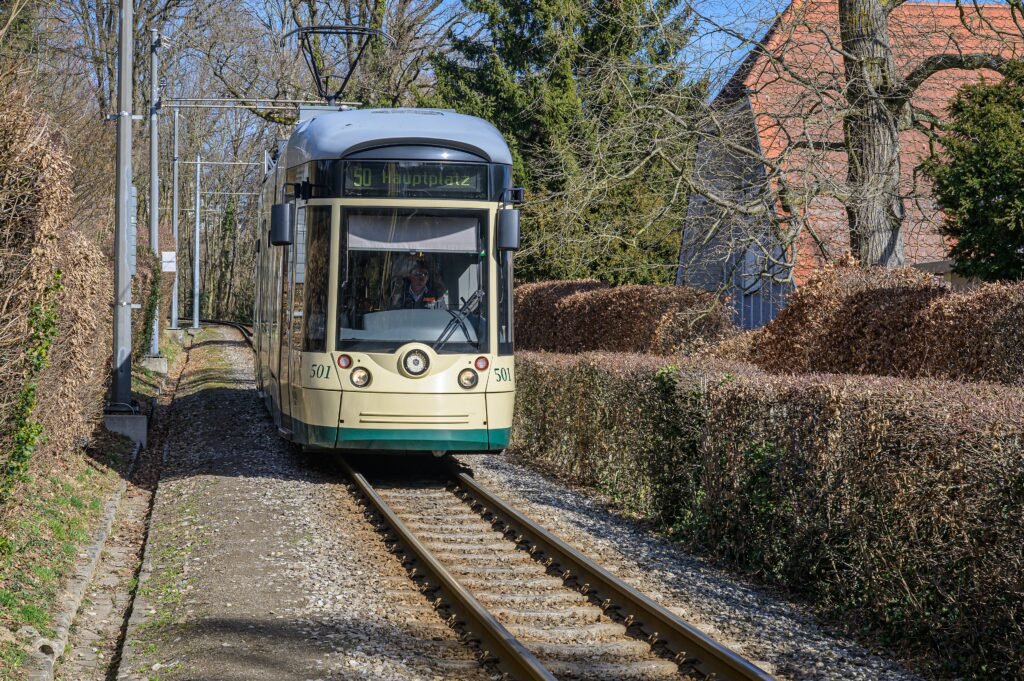
Hauptplatz to Schlossmuseum is only about 7–10 minutes, but the final approach climbs. Hauptplatz to Lentos takes around 5–6 minutes. Crossing from Lentos to Ars Electronica usually takes about 8–10 minutes. Pöstlingberg is different: line 50 handles the roughly 20-minute hill journey.
A 2-Day Walking-Focused Route
Day 1 follows the main city axis and keeps the castle climb to one deliberate ascent. Day 2 treats Pöstlingberg as a transit-assisted side trip, then uses one purposeful Danube crossing for the riverfront walk.
Day 1 — Hauptbahnhof, Landstraße, Old Town and the Danube
Walking route
Day 1 — Hauptbahnhof, Landstraße, Old Town and the Danube
- Linz Hauptbahnhof
- Musiktheater Linz
- Mariendom Linz
- Alter Dom Linz
- Hauptplatz Linz
- Mozarthaus Linz
- Schlossmuseum Linz
- Lentos Kunstmuseum Linz
Start at Hauptbahnhof and walk toward Musiktheater and Volksgarten. Continue north on the Landstraße axis, then turn toward Mariendom. Rejoin the historic center at Alter Dom and Hauptplatz before entering Altstadt. Climb once to Schlossmuseum, then descend toward the Danube and finish at Lentos.
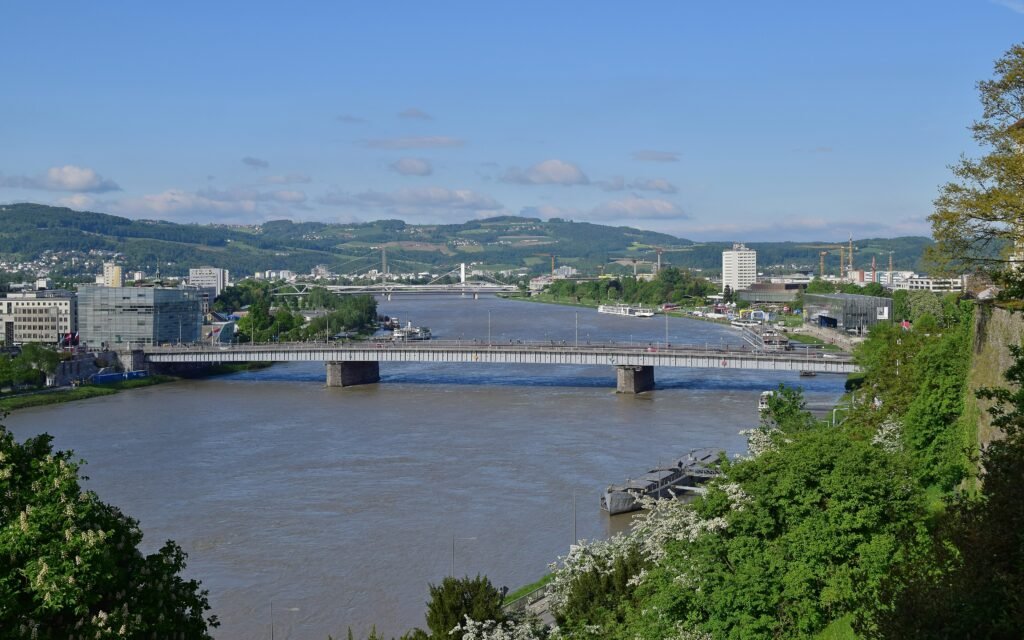
This sequence shows why Linz feels more compact than a transit map might suggest. The station is outside the tightest sightseeing cluster, yet the useful walking environment begins well before Hauptplatz. Schlossmuseum adds effort through elevation, not through long cross-city mileage.
Day 2 — Pöstlingberg, Ars Electronica and the East Riverfront
Walking route
Day 2 — Pöstlingberg, Ars Electronica and the East Riverfront
- Ars Electronica Center
- Nibelungenbrücke
- Brucknerhaus Linz
- Tabakfabrik Linz
Begin with Pöstlingbergbahn line 50 from Hauptplatz and return after the hilltop visit. The mapped walk starts at Ars Electronica, keeping the tram ascent separate from the pedestrian route. Cross Nibelungenbrücke once, then follow the south-bank cultural corridor past Brucknerhaus to Tabakfabrik.
The riverfront section explains Linz’s main geographic contrast. Ars Electronica remains close enough to feel central, while the eastern corridor gradually becomes more industrial. Mural Harbor and voestalpine Stahlwelt are better reached separately instead of forcing long walks beside industrial roads.
When Trams and Buses Help
Tram lines 1, 2, 3 and 4 share the most useful visitor spine between Hauptbahnhof and Hauptplatz. Lines 1 and 2 continue across the Danube, making north-bank repositioning simple when walking is inconvenient. Buses cover outer districts and industrial destinations that do not fit naturally into the central walking loop.
LinzMobil, ticket machines and FAIRTIQ make ordinary city transport straightforward for visitors. Pöstlingbergbahn uses separate ticketing from standard core-zone travel, with combined tourist products also available. Check current LINZ AG fares before travel rather than relying on fixed prices in the guide.
Pöstlingbergbahn runs regularly from Hauptplatz, with service frequency varying by season and day of the week. Night services also operate on selected weekend and pre-holiday nights. Check the current LINZ AG timetable if either connection matters to your plans.
Arriving in Linz Without a Car
Linz Airport has a direct bus connection to Hauptbahnhof. A rail-based alternative uses nearby Hörsching station with an additional shuttle connection to the terminal, so the bus is often the simpler option for visitors. Check the airport’s current transport information before travel.
Rail arrival is one of Linz’s main strengths. Hauptbahnhof sits on major Austrian intercity routes toward Vienna, Salzburg and beyond. From the station, either walk north along the Landstraße axis or use the central tram network toward Hauptplatz.
When a Car Helps
A private car adds little to the standard central weekend. It becomes more useful for multi-stop rural itineraries or regional combinations that are awkward by scheduled transport. Mauthausen Memorial, St. Florian and Salzkammergut destinations are separate excursions, not extensions of Linz’s city walking network.
Walking Limitations and Practical Tips
Central pedestrian priority is strong, but not every surface is effortless. Historic paving, tram tracks, mixed bicycle movement and selected larger road crossings deserve attention. Nibelungenbrücke is direct and useful, though the bridge approach feels more infrastructural than the smaller Altstadt streets.
Keep Schlossmuseum’s short climb separate from Pöstlingberg’s much larger vertical change. The first belongs inside a central walking day. The second is a distinct hill trip that line 50 handles efficiently. That distinction prevents an easy transit journey from disguising the underlying terrain.
Seasonal Walking Conditions
Summer heat can make exposed Danube sections and the Pöstlingberg visit more tiring. Winter cold, rain, snow or ice can make historic paving less comfortable. The city’s basic walking distances and street connections remain the same, so check conditions without rebuilding the itinerary around them.
Bottom Line
Linz works best as a central walking city with selective tram use. Landstraße, Hauptplatz, Altstadt and the Danube museums form a coherent first-time visitor system. Use transit for Pöstlingberg and the outer industrial attractions, and keep regional trips separate from the city weekend.