
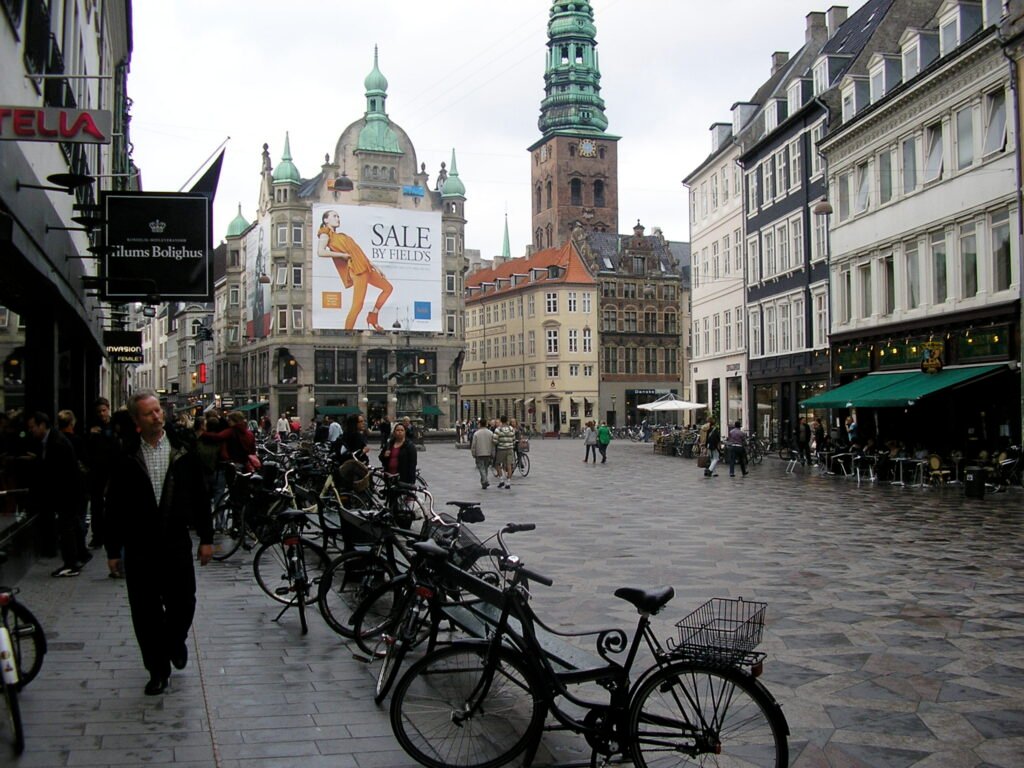
A Danish city break can feel effortless for very different reasons. Copenhagen spreads major sights across a broad yet connected center, with harbor bridges stitching useful walking routes together. Odense compresses almost everything into a flatter pedestrian core around the station and old town. Aarhus keeps a strong central spine, then asks more effort for hillier or farther extensions. Aalborg pairs a compact waterfront core with unusually useful buses and easy arrival. Helsingør places the station, old town, harbor and Kronborg almost in one line. Roskilde is similarly logical, but its historic center sits above the fjord and makes the return climb noticeable.
Denmark’s Six Cities at a Glance
Every city in this six-city set can support a car-free weekend, but the experience differs considerably. The biggest contrasts are central compactness, terrain, waterfront layout, reliance on public transport and ease of arrival.
| Rank | City | Overall score | Strongest walking advantage | Main limitation |
|---|---|---|---|---|
| 1 | Copenhagen | 95/100 | Broad central network with useful harbor bridges | Outer districts, cycle crossings, cobbles and central crowds |
| 2 | Odense | 91/100 | Tight, flat pedestrian core around the station and old town | Longer international-airport rail arrival; harbor outside the tightest core |
| 3 | Aarhus | 89/100 | Strong station-to-river walking spine | Hillier and more dispersed outer visitor areas |
| 4 | Aalborg | 88/100 | Compact waterfront core plus strong buses and arrival | Less uniform walking environment and terrain beyond the center |
| 5 | Helsingør | 85/100 | Exceptionally direct station-to-old-town-to-Kronborg route | Cobbles, gravel and a shallower local transit network |
| 6 | Roskilde | 82/100 | Direct historic-center-to-fjord sightseeing chain | Uphill return from the fjord and separate Musicon cluster |
Why Copenhagen Leads Without Being the Smallest
Copenhagen’s lead comes from connected visitor geography, not from being compact in the small-city sense. From København H, a first-time route can run through Tivoli, City Hall Square, Strøget, Christiansborg, Kongens Nytorv, Nyhavn and Amalienborg without a major reset. Round Tower, Rosenborg and Torvehallerne remain short northern extensions rather than separate day trips.
The harbor matters because crossings shorten real pedestrian routes. Inderhavnsbroen links Nyhavn and Christianshavn directly, so the water becomes a connector instead of a detour. Farther north, Kastellet and the Little Mermaid add walking mileage. Frederiksberg and much of Nørrebro are still separate visitor districts, even when the Metro makes them easy to reach.
Copenhagen also benefits from exceptionally useful public transport. Metro, S-trains, buses and harbor services make outer districts easy to add without relying on a car, while direct airport rail and Metro connections make arrival straightforward. The city’s strength comes from combining a broad walking network with convenient transport at its edges.
The pedestrian experience is not frictionless. High bicycle volumes, cycle-lane crossings, cobbles and crowded central streets require attention. Those conditions add some friction even in an otherwise excellent pedestrian environment.
Odense and Aarhus: Similar Scores, Different Edges
Odense differs from Copenhagen less in central walking quality than in scale. Odense Station, Kongens Have, Brandts, Vestergade, Flakhaven, St Canute’s Cathedral, the H.C. Andersen Quarter and Sortebrødre Torv sit unusually close together, creating one of the most concentrated sightseeing networks in the group.
Pedestrian streets and connected squares make that core easy to cover repeatedly without wasted mileage. The rebuilt central public realm strengthens continuity, while Munke Mose adds a flat green extension. The harbor sits beyond the tightest central area, although Letbane makes it easy to include as a separate extension.
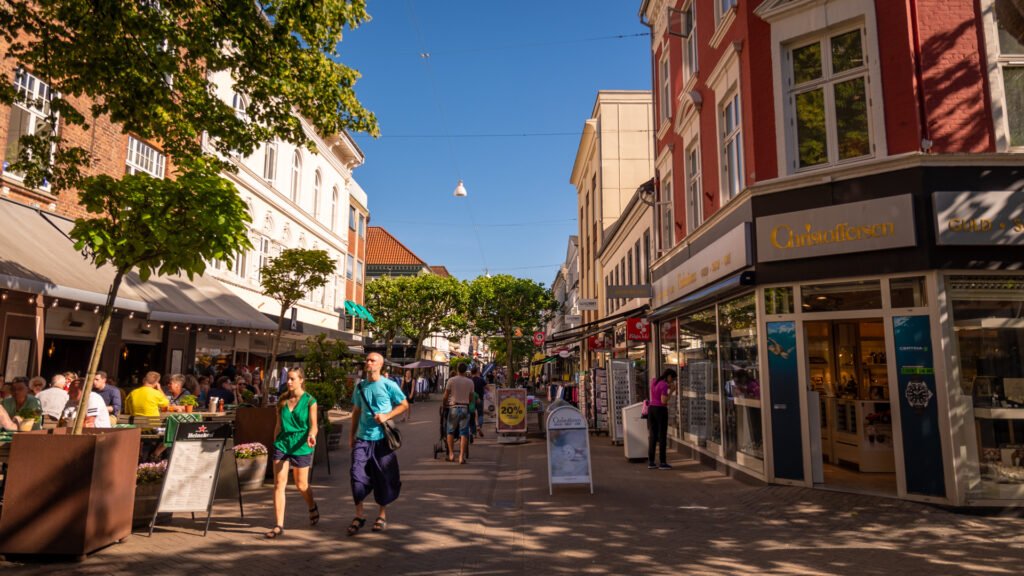
That makes Odense the stronger fit for travelers chasing maximum concentration. The main tradeoff is international arrival: the station itself is excellent, but reaching Odense from a major international airport requires a longer onward journey than in Copenhagen. Central sightseeing itself usually needs little public transport.
Aarhus feels larger without becoming difficult. Aarhus H leads directly toward City Hall and ARoS, then Strøget, Store Torv, the cathedral, Latin Quarter, Aarhus Å and Dokk1. The reopened river corridor doubles as an orientation line and a useful pedestrian connection through the center.
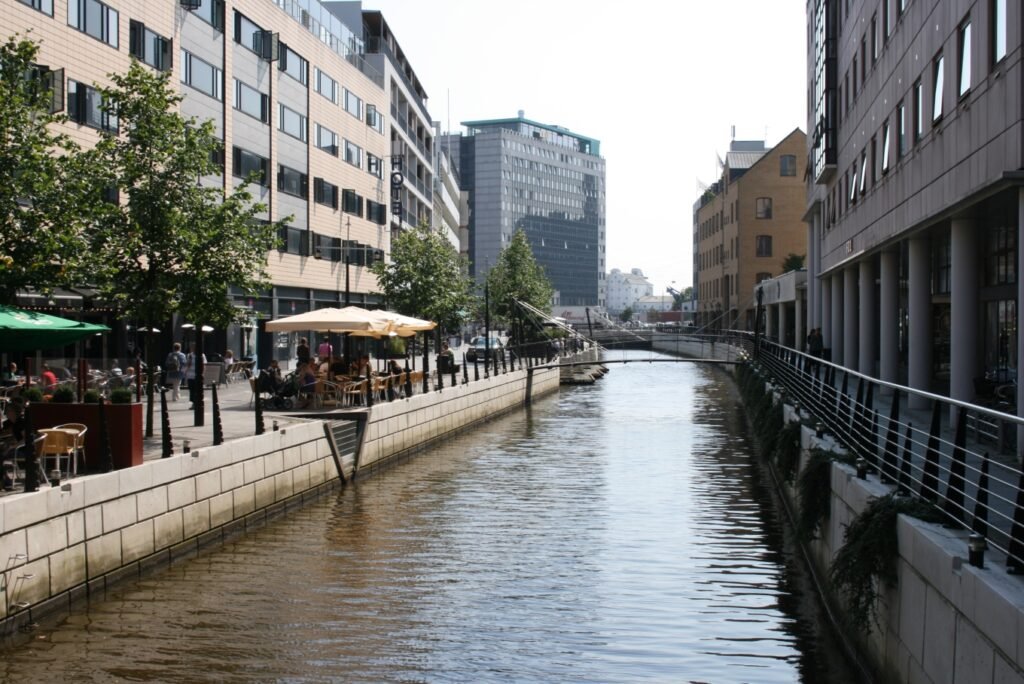
The separation appears as the itinerary expands. Den Gamle By and the Botanical Garden remain walkable extensions, while Aarhus Ø, university areas, Marselisborg and Moesgaard sit progressively farther away. Western and northern extensions also introduce more climbing than Odense. Distance and terrain are separate issues: an attraction can remain close enough to walk while still requiring more effort.
For a larger cultural weekend, Aarhus keeps the center easy while adding worthwhile outer districts. Buses and Letbanen make those areas straightforward to include, while Billund Airport and intercity rail provide practical car-free arrival options. Compared with Odense, the main difference is simply that Aarhus asks visitors to manage more distance and more varied terrain once they leave the central spine.
Aalborg’s Transport Strength Starts Where the Core Thins Out
Aalborg’s fourth place still describes a very workable walking weekend. The station, Algade, Bispensgade, Budolfi, Nytorv, Aalborghus and the central waterfront form a compact first-time footprint. Utzon Center, Nordkraft and Musikkens Hus extend naturally along the south-bank waterfront.
The city changes character toward Kunsten, Aalborg Zoo and Nørresundby. South of the center, higher ground makes some routes more tiring. North of the Limfjord, crossing the water creates a genuine district change. The river is therefore more of an edge than Copenhagen’s bridge-rich central harbor.
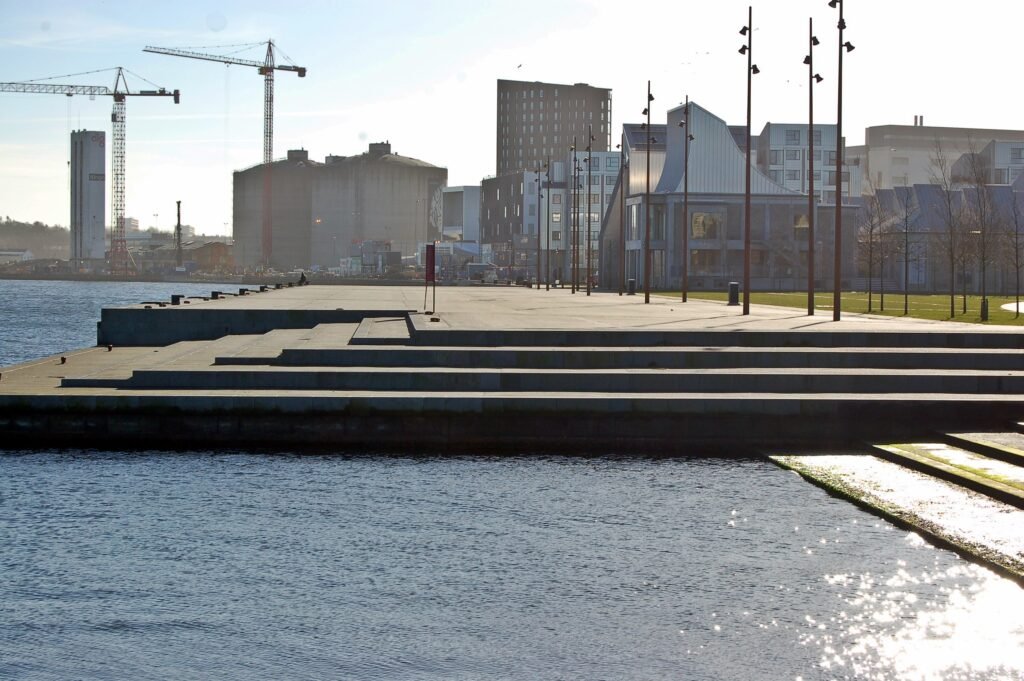
This is where Aalborg’s strong public transport becomes most useful. Plusbus and ordinary buses make the zoo, university areas and other extensions easy to include, while both the airport and railway station connect conveniently with the city center.
That is why Aalborg works especially well with selective bus use. Strong transport makes the less-central parts of the weekend easier to manage when walking becomes less direct or more tiring.
Helsingør and Roskilde: Two Compact Zealand Weekends
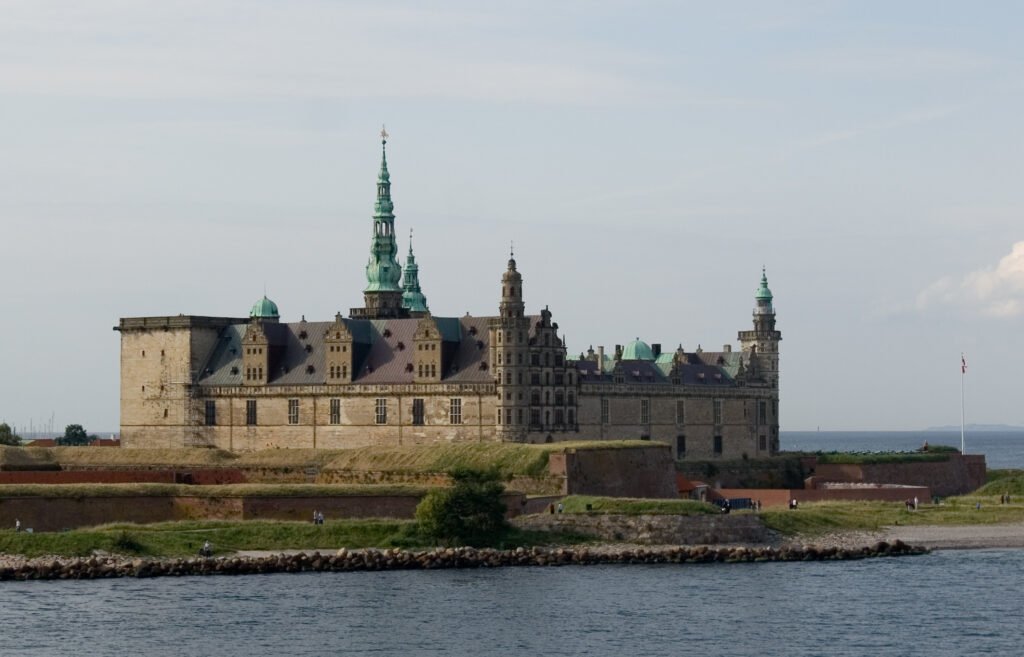
Helsingør remains one of the easiest cities in the group to explore almost entirely on foot. Helsingør Station, Stengade, Axeltorv, the cathedral, Carmelite complex, Kulturværftet, the Maritime Museum and Kronborg fit inside an exceptionally tight footprint. The station-to-old-town-to-harbor-to-castle sequence is among the clearest visitor routes in Denmark.
Its main walking limitation is underfoot. Cobbled old-town streets, paved culture-harbor areas, gravel near Kronborg and the station-ferry interface reduce comfort more than distance does. Local buses are useful for outlying stops, but the standard visitor itinerary hardly depends on them.
Roskilde’s core is similarly logical but physically different. From Roskilde Station, Algade and Skomagergade lead toward Stændertorvet and the cathedral. Byparken then continues downhill to the harbor and Viking Ship Museum. The route remains direct even though the return toward the upper city requires a meaningful climb.
Musicon and RAGNAROCK form a separate southern cluster, with buses useful when you do not want to walk both directions. Helsingør offers the flatter and tighter heritage walk, while Roskilde adds a more noticeable fjord descent and a second cultural area around Musicon.
Stations Put Most Weekends on Foot Quickly
Rail-station placement is a recurring Danish strength, but each city uses it differently. København H opens beside Tivoli and the central walking network. Odense Station sits immediately beside its compact core. Aarhus H begins the city-center pedestrian spine, and Aalborg Station is close to both historic streets and the waterfront.
Helsingør Station is almost inside the old-town and harbor itinerary. Roskilde Station is close to the historic center, but the fjord sits farther downhill. These station locations make the first and last walk of the weekend unusually easy in most of the six cities.
Water Shapes Routes More Than It Blocks Them
Copenhagen’s harbor bridges actively improve neighborhood connectivity by shortening cross-water routes. Aarhus Å organizes the central route and provides orientation through the pedestrian core. Aalborg’s Limfjord works more like a northern boundary until a traveler crosses toward Nørresundby.
Helsingør uses its waterfront as a direct continuation from the old town toward Kronborg. Roskilde’s fjord creates a lower destination rather than a crossing problem. In Odense, river parks provide an easy green extension without dividing the principal visitor districts.
Terrain Is the Difference You Feel by Day Two
Copenhagen, Odense and Helsingør are the easiest terrain cases. Aarhus introduces more climbing around western and northern extensions. Aalborg becomes more varied toward Kunsten and the zoo. Roskilde has the most obvious repeated elevation change because the historic center sits above the fjord.
Those differences matter most for pacing. Roskilde’s harbor route is direct but more tiring on the return climb, while some Aarhus extensions remain reasonable on foot even when their gradients make them feel harder than comparable walks in Odense.
Cycling Infrastructure Changes How Pedestrians Move
Cycling infrastructure deserves attention only where pedestrians interact with it. In Copenhagen, Odense and Aarhus especially, first-time visitors need to read cycle-lane crossings, bicycle priority, shared areas and bridge approaches correctly. Clear separation can support excellent walking while still demanding awareness at intersections.
When Public Transport Improves the Weekend
Copenhagen has the deepest public-transport network by a clear margin. Odense’s Letbane provides useful coverage beyond a center that rarely needs it, while Aarhus combines buses and Letbanen for outer cultural districts. Aalborg’s Plusbus and city buses are particularly useful once the itinerary moves beyond the waterfront core.
Roskilde’s buses help with Musicon, the harbor and tired uphill returns, while Helsingør needs local transport least for a standard visit because its principal sights sit so close together. Across all six cities, public transport is most valuable when it saves energy or connects genuinely separate areas.
Which Danish City Fits Your Travel Style?
| Traveler priority | Best fit | Why |
|---|---|---|
| Best overall walk-first city break | Copenhagen | The broadest connected visitor network, excellent walking conditions, deep transit and easiest international arrival. |
| Tightest central visitor geography | Odense and Helsingør | Both concentrate major first-time sights into very short, legible walking chains. |
| Strongest transit backup | Copenhagen | Metro, S-trains, buses and harbor services cover genuine outer districts at high frequency. |
| Easiest terrain | Copenhagen, Odense and Helsingør | Standard visitor routes stay essentially flat across the main walking footprint. |
| Easiest airport arrival | Copenhagen and Aalborg | Both combine low-transfer public transport with central onward access. |
| Best station-to-sights relationship | Odense, Aarhus and Helsingør | Each station opens almost directly into the principal visitor walking network. |
| Best compact cultural weekend | Odense and Helsingør | A dense center keeps most sightseeing consecutive and minimizes transit decisions. |
| Best waterfront walking | Copenhagen, Aalborg and Helsingør | Harbor geography is integrated directly into useful first-time walking routes. |
| Best for minimizing local transit | Odense and Helsingør | Most standard sightseeing fits comfortably on foot once you arrive. |
| Best small-city heritage weekend | Helsingør and Roskilde | Both offer strong historic sequences, with Helsingør flatter and Roskilde more varied by elevation. |
Seasonal Comfort Still Changes the Pace
Wind, rain, daylight and crowd levels can change how comfortable the same route feels. Waterfront exposure is more noticeable in Copenhagen, Aalborg, Helsingør and Roskilde, while short winter days reduce comfortable sightseeing time across the country. Allow more time for outdoor sections when conditions are poor.
Which Danish City Should You Choose?
Copenhagen offers the broadest big-city walking weekend and the strongest public-transport backup. Odense is the most concentrated all-around option, while Aarhus suits travelers who want a larger cultural city with worthwhile extensions. Aalborg combines a compact waterfront core with particularly useful transport, Helsingør delivers the shortest station-to-heritage itinerary, and Roskilde adds the most noticeable terrain change between its historic center and fjord.
Bottom Line
All six Danish cities work well without a car, but they reward different walking styles. Copenhagen combines the widest central sightseeing network with excellent transport at its edges, while Odense compresses most of the weekend into a much smaller footprint. Aarhus and Aalborg require more selective use of transit as the itinerary expands. Helsingør keeps almost everything in one short station-to-castle chain, while Roskilde adds a clear downhill-and-uphill relationship between its historic center and fjord.