
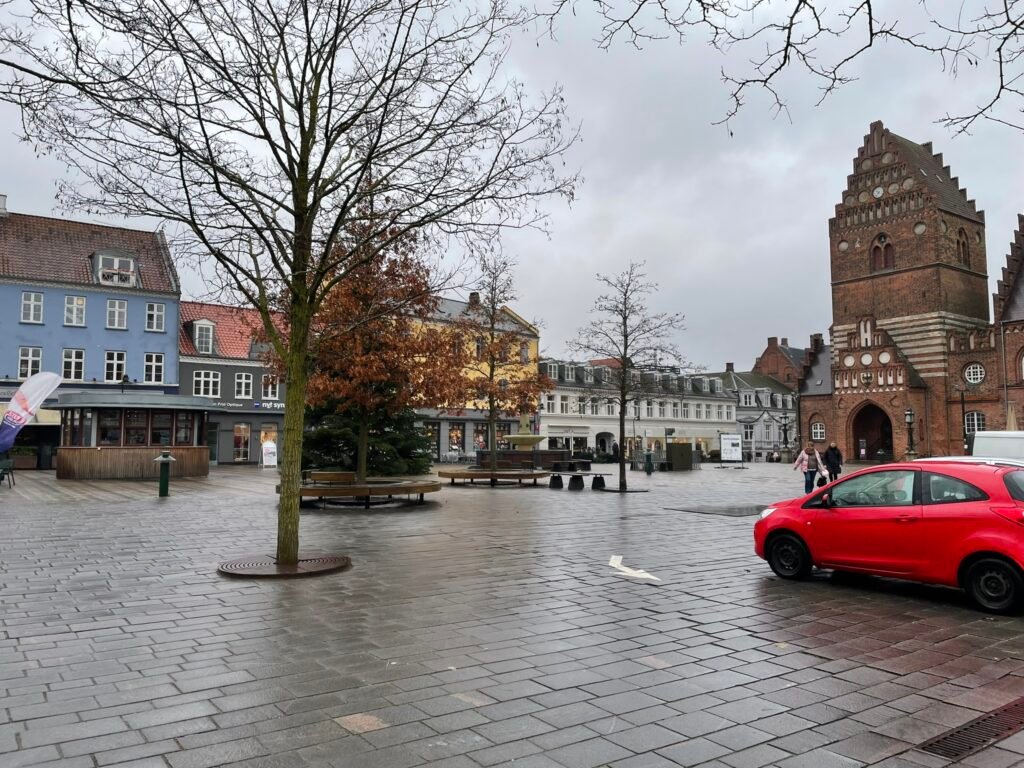
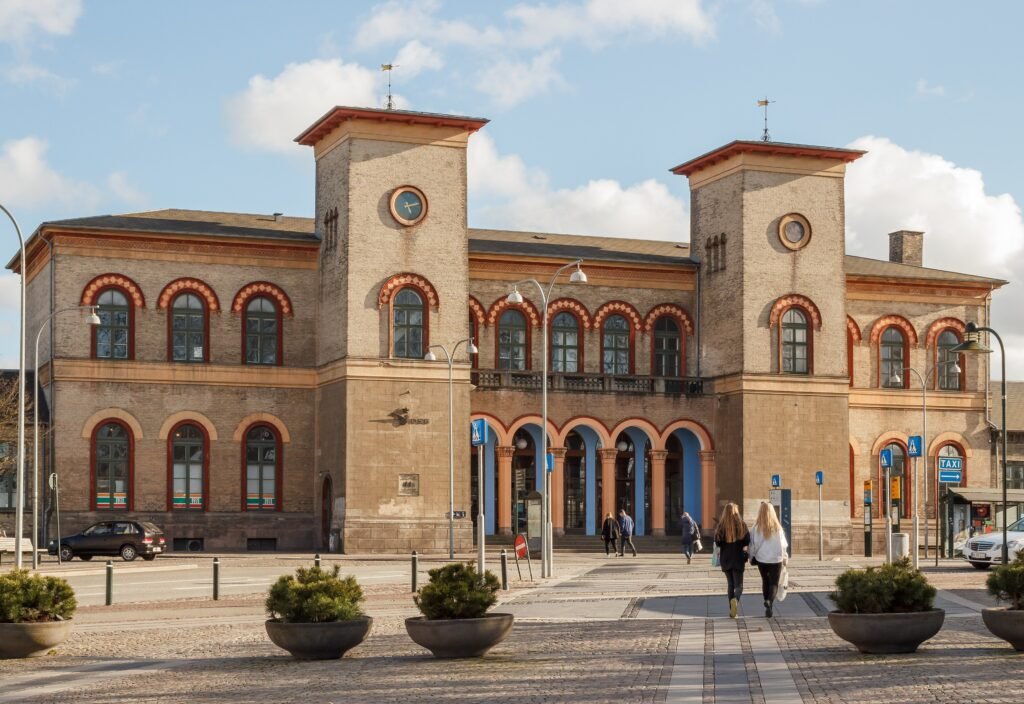
From the station, the visitor core unfolds as a clear northbound chain rather than a scattered collection of sights. Algade and Skomagergade lead toward Stændertorvet, where the cathedral sits only minutes from the main shopping streets. Beyond the cathedral, Byparken drops toward the harbor and the Viking Ship Museum beside Roskilde Fjord. That descent makes the waterfront feel like a lower extension, not a separate district. Musicon sits south of the railway, creating the main second cluster for a weekend visit. Most headline stops therefore fit comfortably into walking days, with buses useful when energy or weather argues against another climb.
Why Roskilde Works Well on Foot
Roskilde’s useful visitor footprint runs north from the railway rather than spreading evenly around the city. The municipal walking map places Stændertorvet about seven minutes from the station and the harbor about fifteen minutes from the square. Algade and Skomagergade sit inside the regulated pedestrian-street zone, where walkers have priority. Roskilde Museum, Stændertorvet, the cathedral and adjoining lanes cluster around that spine. Continue through Byparken and the route drops naturally toward the harbor. The Viking Ship Museum estimates a 20–25 minute walk from the station, keeping the waterfront inside a realistic sightseeing day.
The Historic Core, Harbor and Musicon Are Not the Same Cluster
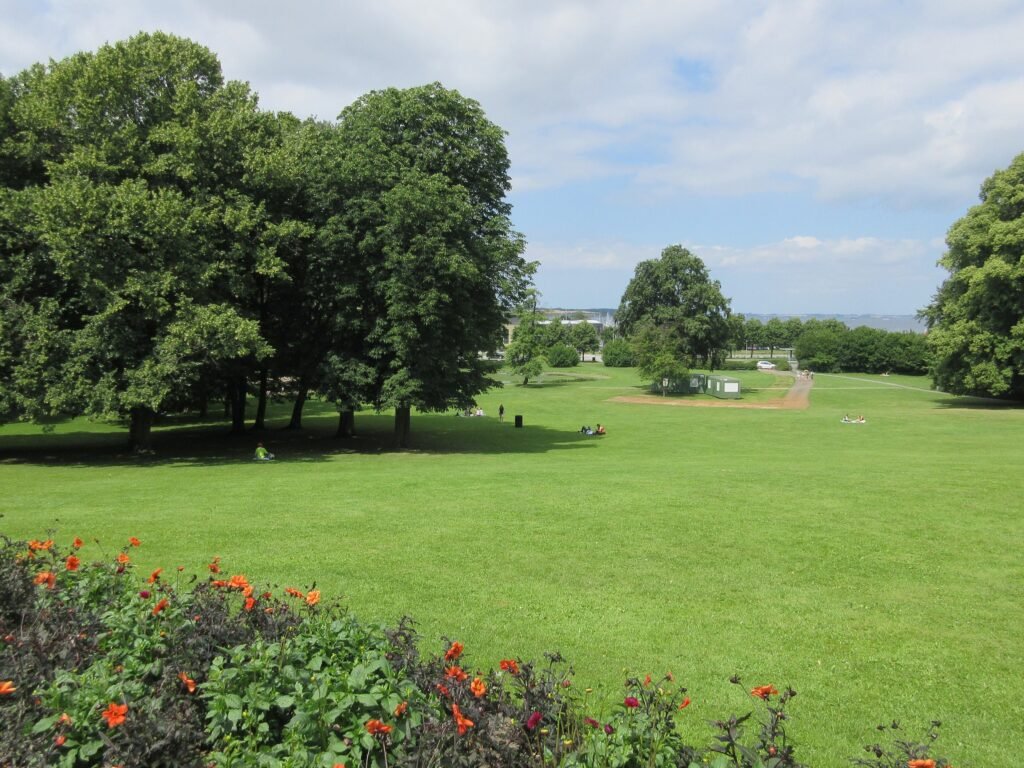
The historic core and harbor belong to one sightseeing sequence, but they sit on different levels. Byparken is the key connection: an official tourism source describes it as a sloping green link toward Roskilde Fjord. That makes the downhill leg pleasant and direct, while the return requires more effort. Musicon works differently. It lies south of the railway, roughly 1.5 kilometers from the station, with RAGNAROCK about 15–20 minutes away on foot. The distance is reasonable, yet combining Musicon with the harbor creates low-value cross-city mileage.
Best Areas to Stay for Walking
Choose the Algade and Stændertorvet area for the shortest all-day walking pattern. Four Points Flex is directly on Algade, inside the central visitor geography. Scandic Roskilde Park is another practical base near the station and shopping streets. A fjord-side stay can be appealing, but it moves the center-to-harbor climb into everyday sightseeing. Travelers arriving by rail with rolling luggage will usually find the station-to-Algade side more convenient.
Walking Times That Matter
- Roskilde Station → Stændertorvet: about 7 minutes.
- Roskilde Station → Roskilde Cathedral: roughly 0.9 km; budget about 11–15 minutes.
- Stændertorvet → Roskilde Cathedral: about 3 minutes.
- Stændertorvet → Roskilde Harbor: about 15 minutes.
- Roskilde Station → Viking Ship Museum: roughly 1.7 km; about 20–25 minutes.
- Roskilde Station → RAGNAROCK: about 15–20 minutes; Musicon is roughly 1.5 kilometers from the station.
These are practical planning estimates rather than guaranteed walking times. The downhill route toward the fjord, crossings and individual pace can change the actual time.
A 2-Day Walking Route
The weekend works best as one longer northbound sightseeing chain and one shorter southern cluster. This division avoids repeated railway crossings and unnecessary backtracking.
Day 1 — Station, Historic Core and Harbor
Walking route
Day 1 — Station, historic core, Byparken and harbor
- Roskilde Station
- Hestetorvet
- Algade
- Roskilde Museum
- Stændertorvet
- Skomagergade
- Roskilde Cathedral
- Byparken
- Roskilde Harbor
- Viking Ship Museum
Start at Roskilde Station and move through Hestetorvet into Algade. Roskilde Museum is a short detour before Stændertorvet and Skomagergade. From the cathedral, follow the green descent through Byparken toward Roskilde Harbor. Finish at the Viking Ship Museum, where the fjordfront continues the same downhill sightseeing sequence. If you do not want to repeat the uphill return, a local bus provides an easier way back toward the station and upper center. This route treats the harbor as a lower extension, not as part of a flat historic core.
Day 2 — Musicon and RAGNAROCK
Walking route
Day 2 — Musicon and RAGNAROCK
- Roskilde Station
- RAGNAROCK
- Rabalderstræde
- Rabalderparken
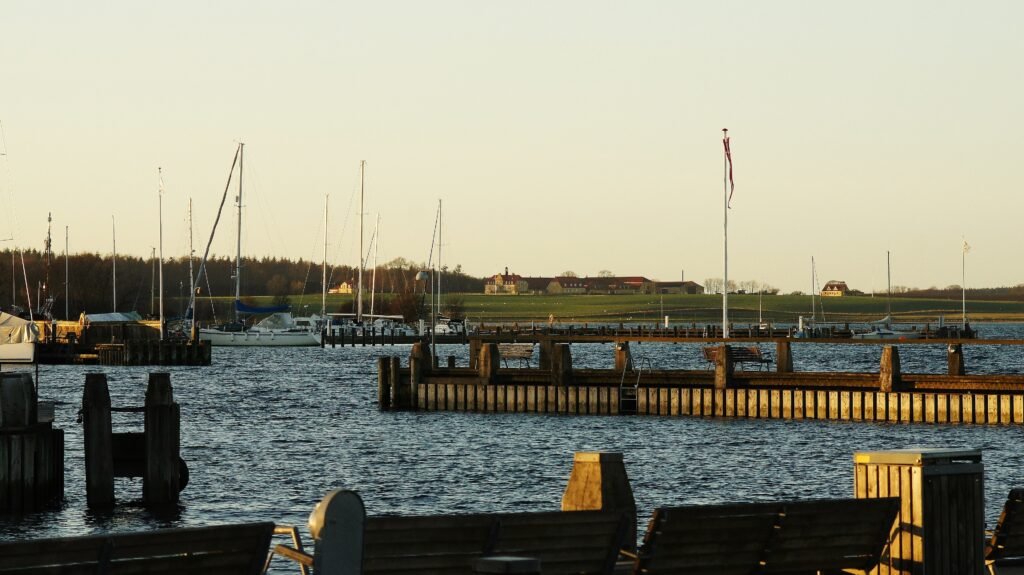
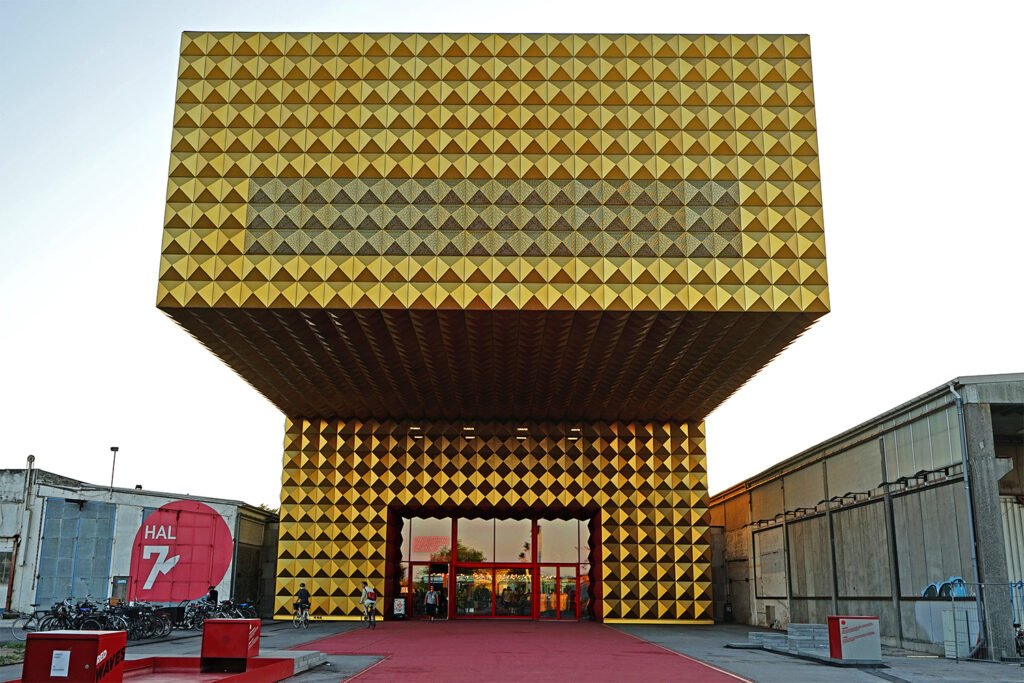
Use the station’s south side for the second day’s shorter route. Walk toward Musicon and RAGNAROCK, then continue along Rabalderstræde to Rabalderparken rather than returning immediately to the old center. The municipality places Musicon about 1.5 kilometers from the station, and tourism guidance puts RAGNAROCK around 15–20 minutes away. A local bus is useful for the return if you do not want to retrace the same mileage. Keep the rest of the day local rather than adding Ledreborg, Lejre, or other regional trips.
Using Transit in Roskilde
Local buses are useful rather than essential in the historic center. They become most valuable for the Viking Ship Museum, Musicon, tired uphill returns and other trips beyond the compact central streets. Regional trains are primarily useful for arriving in Roskilde rather than moving between its main city sights. Check current DOT and Rejseplanen information for routes, fares and ticket options.
Arriving Without a Car
Roskilde Station is particularly convenient for a car-free city break. Frequent rail services connect Roskilde with Copenhagen, while journeys from Copenhagen Airport may be direct or require a transfer depending on the timetable. From the station, the central shopping streets, Stændertorvet and the cathedral are all within practical walking distance. Check current DSB or Rejseplanen information before travel.
When a Car Helps
Within Roskilde, a car mainly adds parking logistics to a trip already organized around short walking distances. It becomes more useful for destinations outside the city guide, including Ledreborg Palace, Land of Legends at Lejre, or farther fjord outings. Those places work better as separate day trips than as additions to the city weekend. Do not rent a car simply to connect the station, cathedral, harbor, Viking Ship Museum or Musicon.
Walking Limitations and Practical Tips
- Save energy for the return climb: Byparken slopes toward the fjord, so walking back to the upper center adds the main terrain effort.
- Expect some historic surfaces: granite and older paving can feel rougher under small luggage wheels than modern pavement.
- Watch for bicycles in the pedestrian zone: cycling is allowed at posted times, although cyclists must yield to walkers.
- Treat Musicon as a separate cluster: walk one way and use 202A back when retracing adds little value.
- Check temporary works before travel: street or harbor construction can occasionally change the most convenient pedestrian route, so follow current local notices when major works affect your itinerary.
Seasonal Walking Note
The fjord makes the harbor more exposed to wind and rain, while wet or icy conditions can make the uphill return through Byparken more demanding. Summer offers longer daylight for park and waterfront walks. Seasonal weather changes comfort rather than the distances between Roskilde’s main sights.
Bottom Line
Roskilde works best when you accept its two-level shape: compact historic streets above, harbor attractions below, and Musicon south of the tracks. Most first-time sights fit a walking-first weekend, with short buses serving as energy-saving tools rather than necessities. The station’s position makes arrival especially simple, and a private car is better saved for regional Zealand excursions.