
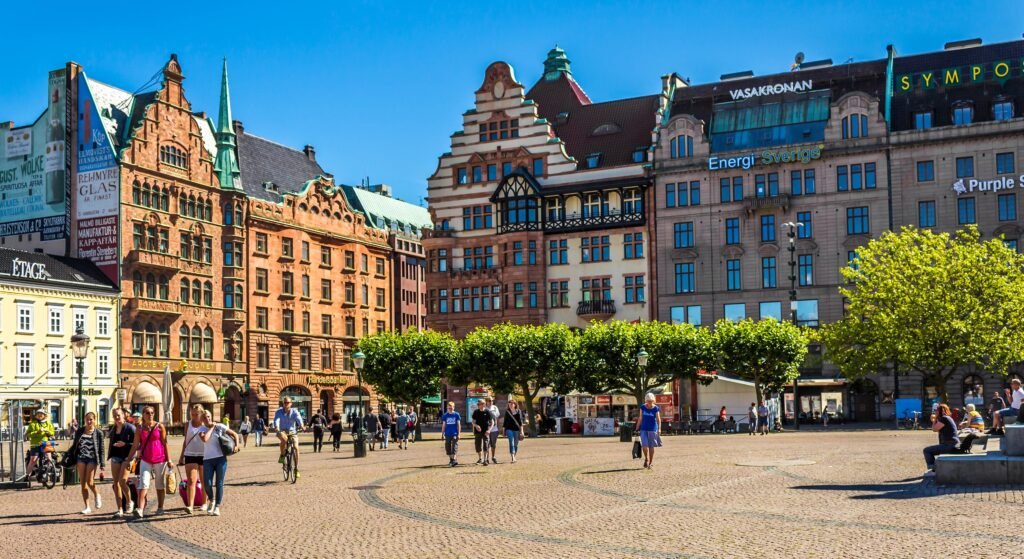
Six Swedish city breaks can all work beautifully without a car, yet the walking patterns diverge almost immediately. Malmö combines a flat central chain with easy extensions and a station beside the historic core. Stockholm spreads sightseeing across islands, making bridges and transit part of the rhythm. Gothenburg’s canal center stays coherent before trams take over longer western and river crossings. Uppsala compresses its cathedral, university quarter, castle approach, and riverfront into one tight spine. Lund is tighter still, while Helsingborg pairs a compact waterfront with a sharp climb toward Kärnan. The ranking reflects those practical differences, not a simple contest for the smallest center.
The Ranking: Six Swedish City Breaks on Foot
| Rank | City | Overall score | Strongest walking advantage | Main limitation |
|---|---|---|---|---|
| 1 | Malmö | 91/100 | Balanced flat core, useful extensions, and excellent international arrival | Möllevången, Västra Hamnen and Ribersborg sit beyond the tight historic core |
| 2 | Stockholm | 90/100 | Exceptional transit makes a larger multi-island visitor footprint practical | Djurgården and parts of Södermalm remain genuine extensions |
| 2 | Gothenburg | 90/100 | Canal-centered walking combines with excellent tram, bus and ferry backup | Slottsskogen, Majorna and Lindholmen are farther from the compact core |
| 2 | Uppsala | 90/100 | A tight historic and university spine keeps most sightseeing close together | The climb toward Carolina Rediviva and the Castle adds concentrated effort |
| 5 | Lund | 88/100 | The most concentrated visitor geography in the Swedish group | Local transit contributes less because the principal core rarely needs it |
| 6 | Helsingborg | 86/100 | A tight station, center and waterfront sequence | Landborgen creates a clear vertical break, while Fredriksdal and Sofiero sit farther out |
Stockholm, Gothenburg and Uppsala share second place at 90/100, so the next position shown is fifth place for Lund.
Why Malmö Leads
Malmö leads through balance rather than a dramatic advantage over the other cities. Malmö Central opens almost directly onto Stortorget and Lilla Torg, while Gamla Väster, Malmöhus, Kungsparken and Slottsparken form a natural westward chain. The city stays flat, legible and easy to explore without planning every movement around public transport.
Beyond that core, Triangeln, Möllevången, Folkets Park, Västra Hamnen and Ribersborg become genuine extensions. Buses and local trains make those areas easy to include, while direct rail from Copenhagen Airport gives Malmö an especially convenient international arrival.
Three Very Different Cities Share Second Place
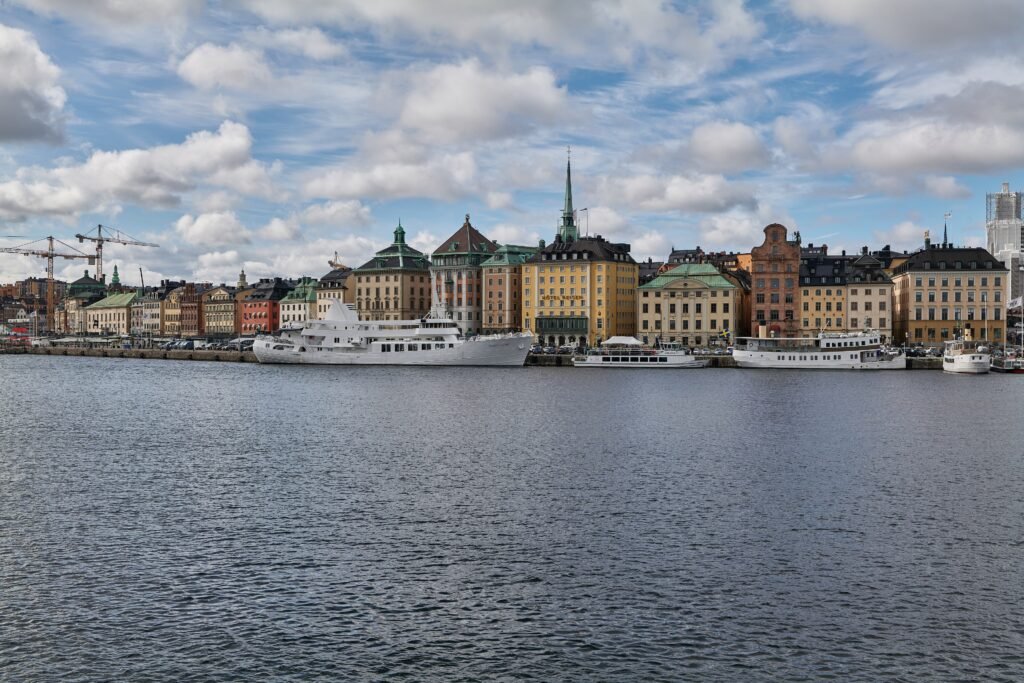
Stockholm has the broadest visitor footprint of the three tied cities. Norrmalm, Central Stockholm and Gamla Stan connect well across bridges, while Djurgården and parts of Södermalm remain longer extensions. Metro, trams, buses and ferries make that larger geography particularly easy to manage without a car.
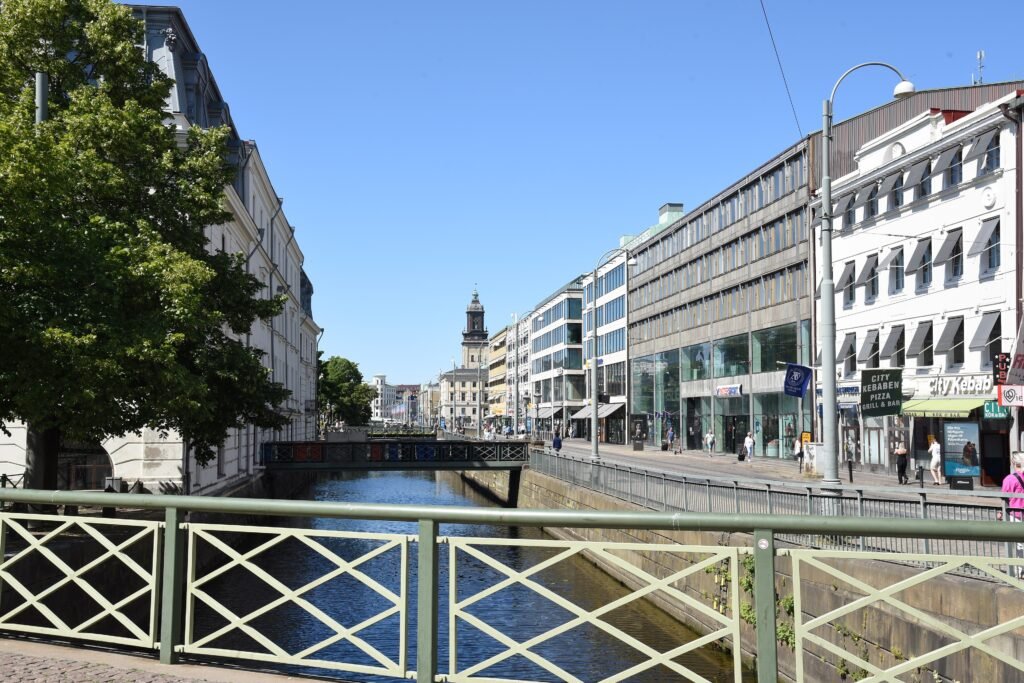
Gothenburg starts with a strong continuous walking chain. Central Station, Brunnsparken, the canal core, Avenyn and Haga connect through short, readable corridors. Slottsskogen, Majorna and Lindholmen stretch the itinerary farther, but trams, buses and public ferries make those extensions straightforward.
Uppsala achieves the same overall score with a more concentrated walking pattern. Uppsala Central, Stora Torget, the Cathedral, university quarter, Carolina Rediviva, the Castle, and Botanical Garden form a compact sightseeing spine. The main physical interruption is the climb toward the castle ridge. Gamla Uppsala remains an outer destination rather than part of the walkable core.
Why Lund Still Feels Exceptionally Compact
Lund fifth-place position does not reflect difficult walking. Lund Central, Bantorget, Stortorget, the Cathedral, Lundagård, the university quarter and Kulturen fit into exceptionally short walking relationships. The Botanical Garden and northern sights are modest extensions, while standard visitor routes remain essentially flat.
Its main difference from the higher-ranked cities is that local public transport contributes less to the standard sightseeing weekend because so much already sits close together. Regional trains and direct Copenhagen Airport connections make arrival easy, while most central sightseeing remains simpler on foot.
Helsingborg Is Compact Until the City Climbs
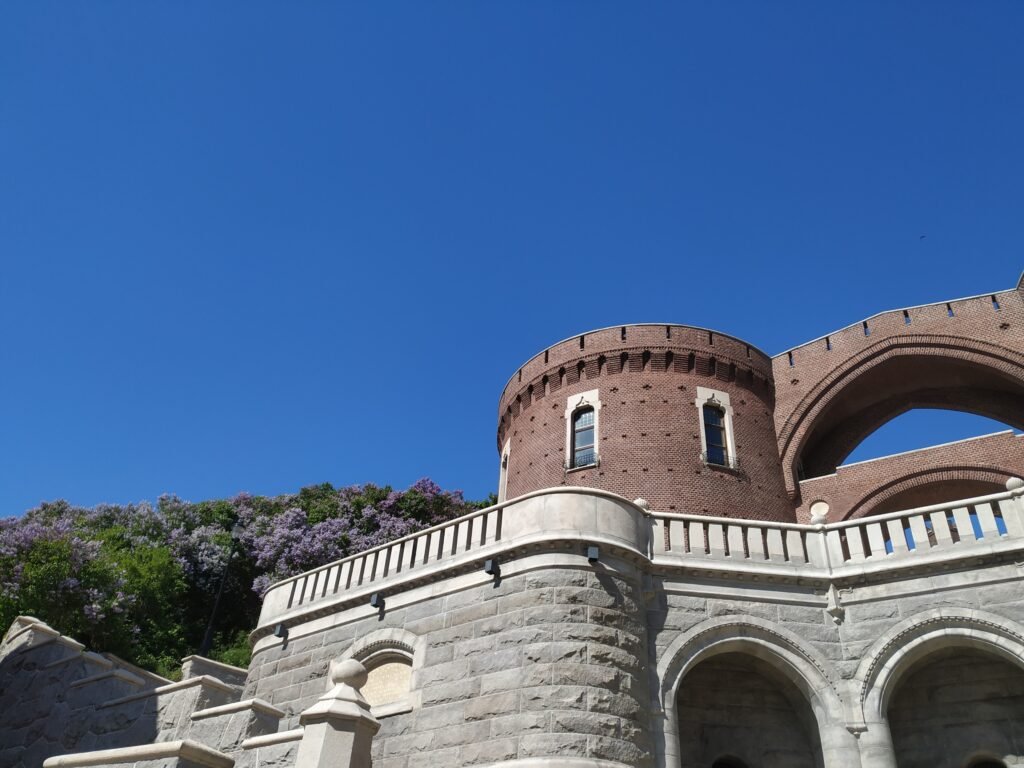
Helsingborg keeps its lower visitor geography remarkably tight. Helsingborg C, Stortorget, Kullagatan, Mariakyrkan, Dunkers Kulturhus, Norra Hamnen, and Gröningen form a coherent station-to-waterfront sequence. The map stays compact when Kärnan is added, but the effort changes sharply. Landborgen lifts the historic tower above the lower center, turning a short horizontal distance into the clearest vertical break in this comparison.
Fredriksdal and Sofiero extend the weekend beyond the lower center, with buses useful for both. The Helsingør ferry adds an easy regional excursion across the Øresund, while Helsingborg’s principal city sights remain concentrated around the station, historic center and waterfront.
Water Connects Some Walks and Separates Others
Stockholm’s bridges stitch central islands together, but they also funnel some routes through specific crossings. Gothenburg’s frequent canal bridges keep the inner network coherent, while the Göta älv separates Lindholmen much more clearly. Malmö’s waterfront districts extend the historic center without fragmenting it. In Uppsala, frequent Fyrisån crossings prevent the river from becoming a serious pedestrian barrier. Helsingborg’s waterfront instead acts as a natural continuation of the lower center.
Where the Hills Actually Change the Day
Malmö and Lund are the easiest terrain cases for normal visitor routes. Uppsala stays mostly gentle until the concentrated rise toward Carolina Rediviva and the Castle. Stockholm adds more repeated climbing in Södermalm, especially away from the lower waterfront. Gothenburg has localized hills rather than continuous central climbing. Helsingborg creates the sharpest contrast because the Landborgen escarpment sits directly between the lower center and Kärnan.
When Transit Actually Improves the Weekend
Public transport works best when it saves time or energy between genuinely separate visitor areas rather than replacing short central walks.
| City | Where transit earns its keep |
|---|---|
| Stockholm | Repositioning between island clusters, Djurgården, Södermalm, and farther neighborhoods |
| Gothenburg | Slottsskogen, Majorna, Lindholmen, and longer returns from the western side |
| Malmö | Möllevången, Västra Hamnen, Ribersborg, and cross-city links between outer clusters |
| Uppsala | Gamla Uppsala and other outer destinations; much of the central itinerary stays walkable |
| Helsingborg | Fredriksdal and especially Sofiero, while the lower center rarely needs a bus |
| Lund | Outer districts; principal sightseeing is compact enough that local transit is often unnecessary |
Station Placement Makes the First Hour Easier
Malmö, Lund, Uppsala, Stockholm and Helsingborg all place their principal rail stations inside or beside the main visitor area, which is especially convenient with luggage or on short weekends. Malmö and Lund have direct rail connections from Copenhagen Airport, Stockholm and Uppsala connect conveniently with Arlanda, and Göteborg Centralstation provides an excellent central arrival even though Landvetter Airport relies mainly on road-based public transport.
Match the City to Your Travel Style
| Traveler priority | Best fit | Why |
|---|---|---|
| Best overall balance | Malmö | Flat central walking, useful transport for extensions and easy international rail arrival |
| Best big-city walk-and-transit combination | Stockholm | A broad multi-island visitor area backed by excellent metro, tram, bus and ferry connections |
| Best tram-supported weekend | Gothenburg | The canal core walks well, then trams cover western and river-separated extensions efficiently |
| Tightest visitor geography | Lund | The station, historic center, university quarter and major sights sit exceptionally close together |
| Easiest terrain | Malmö and Lund | Standard visitor routes in both cities stay largely flat |
| Best for minimizing transit | Lund; also Uppsala | Most headline sightseeing already sits in short, connected walking chains |
| Strongest airport arrival | Malmö and Stockholm | Both offer direct airport rail connections that finish close to the main visitor areas |
| Best waterfront walking | Helsingborg, Stockholm, and Malmö | Helsingborg offers a continuous lower waterfront; Stockholm adds bridge-linked islands; Malmö adds a distinct waterfront extension |
| Best historic and university weekend | Uppsala and Lund | Both concentrate major academic and historic anchors into compact pedestrian spines |
| Best compact small-city break | Lund and Helsingborg | Lund minimizes distance; Helsingborg adds a strong waterfront sequence with one meaningful climb |
Which Swedish City Should You Choose?
Malmö offers the most balanced combination of flat central walking, useful transport and easy arrival. Stockholm suits travelers who want a larger city where public transport naturally connects several walking clusters. Gothenburg combines a coherent canal-centered core with tram-supported extensions, while Uppsala concentrates historic and university sights around one central spine. Lund is the strongest choice for minimizing local transport, and Helsingborg works especially well for a compact waterfront weekend with one noticeable climb toward Kärnan.
Bottom Line
Only five points separate first from sixth, and all six cities work very well without a car. Malmö leads through its balance of flat central walking, manageable extensions and easy arrival. Stockholm, Gothenburg and Uppsala share second place despite very different city layouts. Lund offers the most concentrated sight-to-sight walking experience, while Helsingborg combines a compact lower center and waterfront with a more noticeable climb toward Kärnan and longer outer extensions.