

Zagreb concentrates its classic sightseeing between the railway station’s park axis and the medieval streets rising above Ban Jelačić Square. The Lower Town grid stays mostly level, with Zrinjevac, the Green Horseshoe, theaters, cafés, and museums linked by direct streets. North of the main square, Dolac and the cathedral feed quickly into Tkalčićeva and the approaches to Upper Town. That upper district sits close horizontally but noticeably higher, so short distances can still involve stairs, cobbles, and sustained climbs. Trams work mainly as backup, not as the structure holding the sightseeing area together.
Why Zagreb Works Well on Foot
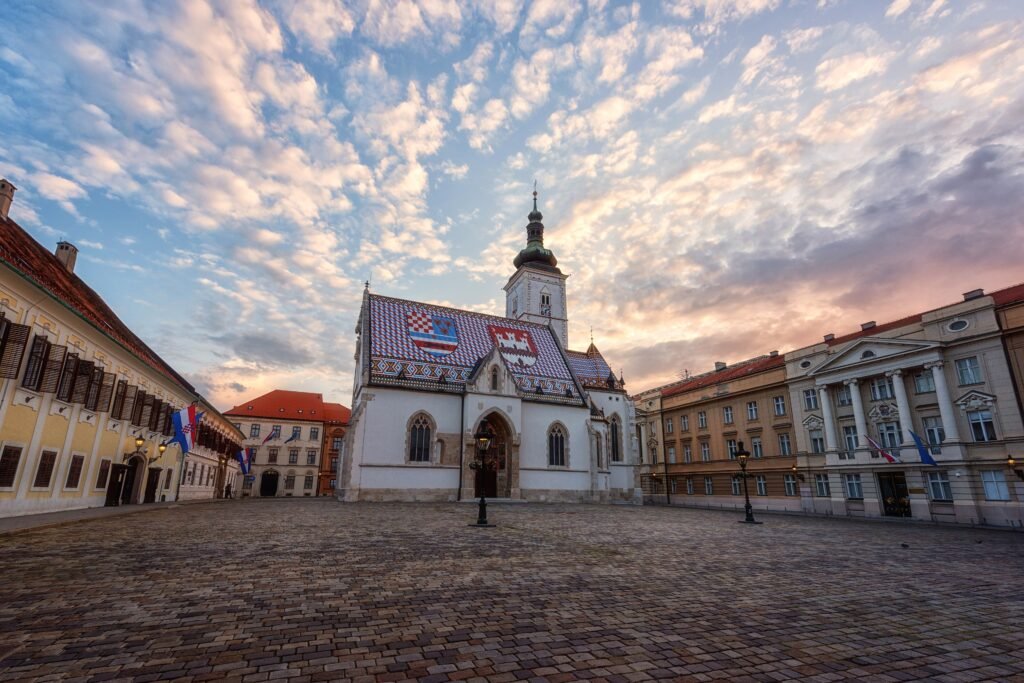
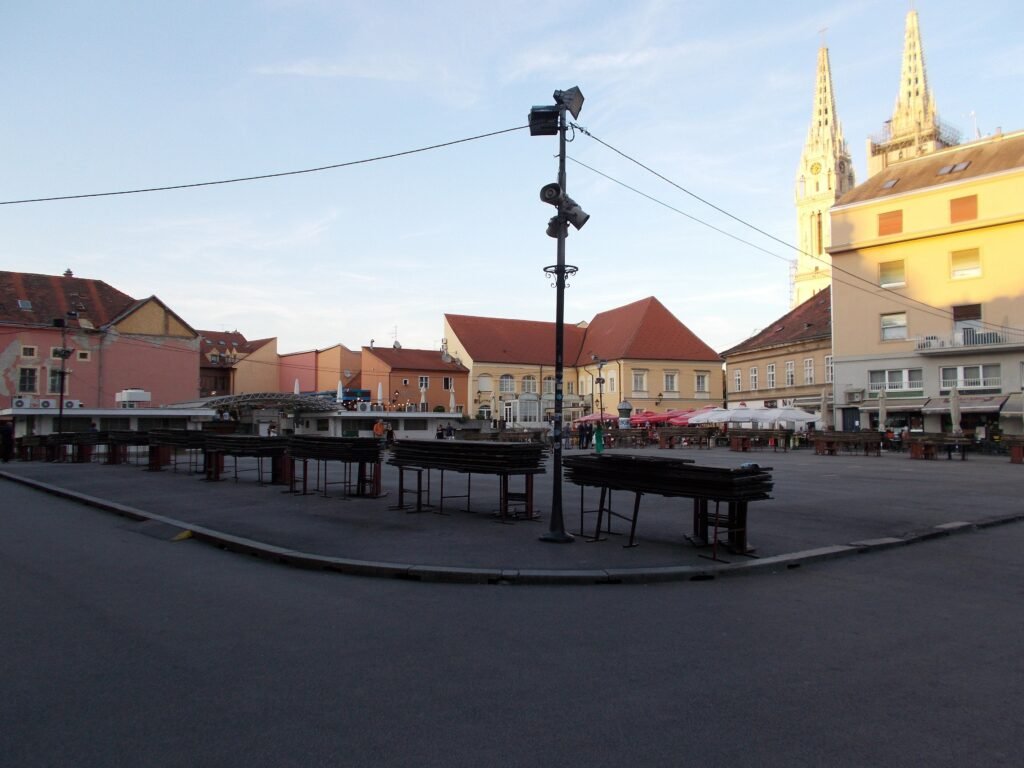
Zagreb’s strongest walking advantage is concentration. Ban Jelačić Square works as the hinge between the two central layers of the city. Dolac Market and Zagreb Cathedral are only a few minutes north, while Tkalčićeva begins almost beside them. From there, Stone Gate and St. Mark’s Square continue into Upper Town without requiring a cross-city transfer. The Museum of Broken Relationships, Lotrščak Tower and Strossmayer Promenade sit inside the same compact hilltop district.
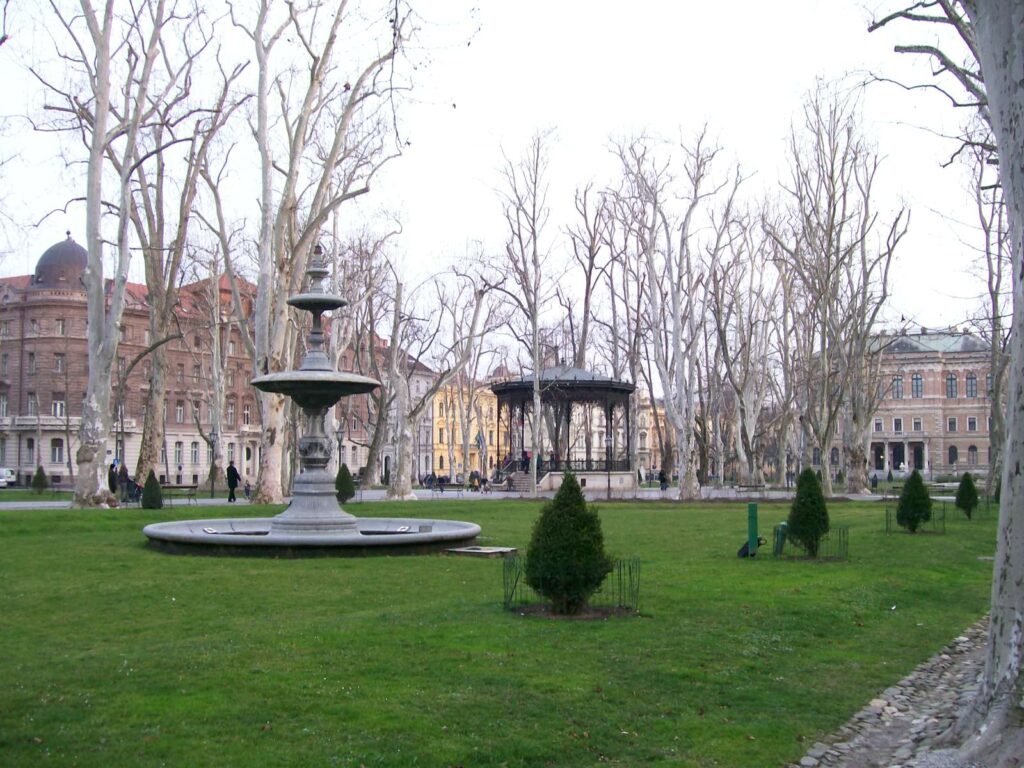
Lower Town extends the walk south rather than breaking it apart. Zrinjevac and the Green Horseshoe create a sequence of parks and cultural buildings toward Zagreb Glavni kolodvor. Ilica and the pedestrian streets around Ban Jelačić and Petar Preradović squares provide strong east-west links. The result is one practical central footprint rather than several isolated sightseeing clusters.
The main qualification is physical effort. Upper Town is close on a map, but reaching it involves slopes, stairs and historic paving. The funicular removes the steepest short climb when needed, yet it should be treated as assistance rather than evidence of flat terrain. Central tram service is similarly useful as backup, not as the reason the core works.
Where to Stay in Zagreb Without a Car
For most first-time visitors, central Lower Town offers the best balance. Staying between Ban Jelačić Square, Zrinjevac and the western Ilica corridor keeps both Upper Town and the railway station manageable on foot. The streets around Petar Preradović Square and the Croatian National Theatre also work well, with cafés, restaurants and tram stops close by.
Upper Town can be atmospheric, but the elevation becomes part of every departure and return. Travelers arriving by rail may value the station side of Lower Town, although Ban Jelačić Square is the more convenient sightseeing center. There is little reason to stay far outside the central tram network for a short car-free weekend.
Walking Times Between Major Zagreb Sights
Zagreb Glavni kolodvor to Ban Jelačić Square: roughly 15–20 minutes through the Lower Town park axis. Ban Jelačić Square to Dolac Market: about 2–3 minutes. Dolac Market to Zagreb Cathedral: about 3–5 minutes. Ban Jelačić Square to Tkalčićeva: about 3–5 minutes. Ban Jelačić Square to St. Mark’s Square: roughly 10–15 minutes uphill, depending on the route. St. Mark’s Square to the Museum of Broken Relationships: about 3–5 minutes. Ban Jelačić Square to the Croatian National Theatre: about 10–12 minutes. The theater to the Botanical Garden: roughly 10 minutes. Treat these as practical planning estimates rather than live-navigation guarantees.
A 2-Day Walking Route
Day 1: Markets, Cathedral and Upper Town
Walking route
Day 1: Markets, Cathedral and Upper Town
- Ban Josip Jelačić Square
- Dolac Market
- Zagreb Cathedral
- Tkalčićeva Street
- Stone Gate
- St. Mark’s Square
- Zagreb City Museum
- Museum of Broken Relationships
- Lotrščak Tower
- Strossmayer Promenade
Start at Ban Jelačić Square and move directly into Dolac Market before continuing to Zagreb Cathedral. The cathedral reopened in December 2025, although restoration work continued through 2026, so visible work may remain part of the visit. Continue through Tkalčićeva, then climb through Stone Gate to St. Mark’s Square. Zagreb City Museum fits naturally farther north before the route turns south toward the Museum of Broken Relationships, Lotrščak Tower and Strossmayer Promenade. This order covers the historic core without repeatedly descending and reclimbing the hill.
Day 2: Lower Town Parks and Museums
Walking route
Day 2: Lower Town Parks and Museums
- Zagreb Glavni kolodvor
- King Tomislav Square
- Zrinjevac
- Petar Preradović Square
- Croatian National Theatre
- Technical Museum Nikola Tesla
- University of Zagreb Botanical Garden
Begin at Zagreb Glavni kolodvor and walk north through King Tomislav Square toward Zrinjevac. From the Green Horseshoe, continue west through the central pedestrian streets to Petar Preradović Square and the Croatian National Theatre. The route then reaches the Nikola Tesla Technical Museum before finishing at the Botanical Garden. This second day stays mostly level and shows how much of Lower Town can be covered without relying on trams.
Using Zagreb Trams, Buses and the Funicular
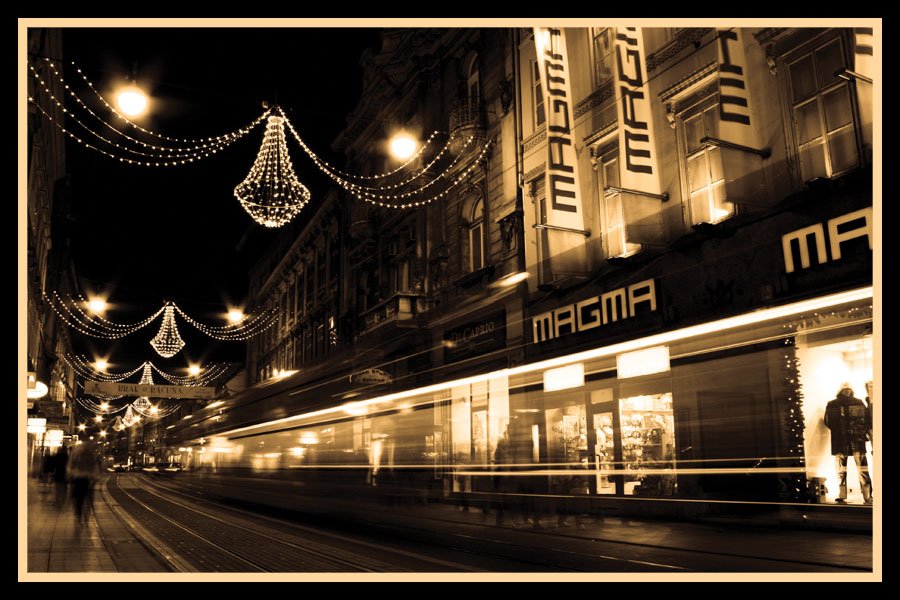
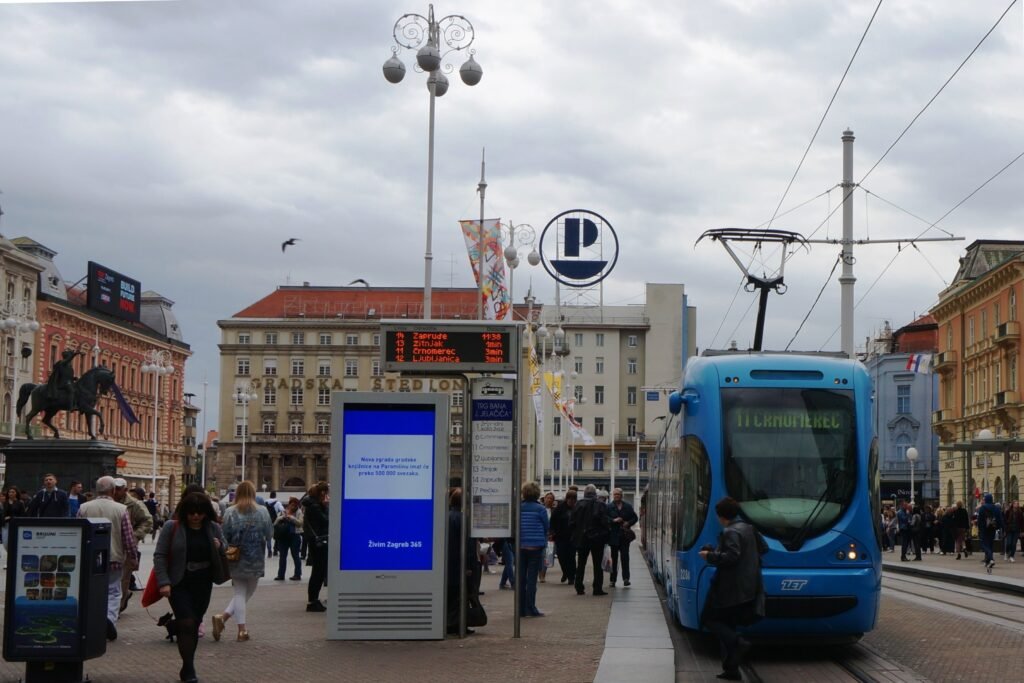
ZET’s tram network is most valuable after the compact central walks end. It is useful for outer neighborhoods, longer museum trips and returning after a tiring day. Daytime lines cover the center extensively, and designated night lines extend usefulness beyond normal sightseeing hours. The tram network supports Zagreb’s car-free practicality, but it does not change the physical closeness of the central sights.
The Upper Town funicular is a different kind of convenience. Its 66-meter route links Lower Town with the hilltop district and runs at frequent intervals. After a long renovation, ZET returned it to service on May 19, 2026. Walking remains the better way to understand the relationship between the two districts, but the funicular is valuable for travelers avoiding stairs.
Arriving in Zagreb Without a Car
Rail arrival is unusually convenient. Zagreb Glavni kolodvor stands at the southern end of the central park axis, so the city begins immediately outside the station. Ban Jelačić Square is roughly a 15–20 minute walk away, with trams available when luggage makes that less appealing.
Franjo Tuđman Airport requires more effort. The official airport shuttle runs to Zagreb Central Bus Station, with a published journey of about 35–40 minutes. ZET bus 290 also serves the airport between Kvaternik Square and Velika Gorica, with a published journey of about 45–50 minutes. Neither option delivers travelers directly to the historic core, so an onward walk or tram is normally required.
When a Car Helps
A car adds little to a two-day visit centered on Lower Town and Upper Town. Parking and central traffic create more friction than benefit for the main sightseeing circuit. A car becomes more useful for regional excursions or destinations beyond the urban tram and bus network. Medvednica and out-of-city day trips are separate decisions and do not improve Zagreb’s core walkability.
Walking Limitations and Practical Tips
Plan the steepest walking for one concentrated Upper Town session instead of climbing repeatedly. Historic paving can be uneven, and some stair approaches are less comfortable with luggage, strollers or limited mobility. Tram tracks also run through busy central streets, so pedestrians should pay attention when crossing even inside otherwise pedestrian-friendly areas.
Museum planning deserves a current check. Zagreb’s 2020 earthquake triggered long restoration programs, and the city tourism office still lists some major institutions as closed. The Museum of Arts and Crafts and National Museum of Modern Art should not be treated as guaranteed indoor stops until their official status changes. By contrast, the Museum of Broken Relationships, Zagreb City Museum and Nikola Tesla Technical Museum provide reliable alternatives in the central visitor geography.
Seasonal Walking Context
Zagreb’s structural walkability does not depend on season, but comfort does. Summer heat can make the Upper Town climb more tiring, while winter conditions can make cobbles and stairs less pleasant. Lower Town’s parks and tree-lined squares add shade in warmer months. The Botanical Garden follows seasonal opening patterns, so check its current schedule before building it into Day 2.
Bottom Line
Zagreb works especially well when visitors treat Lower Town and Upper Town as one compact center with two different walking conditions. Most headline sights fit into a coherent two-day plan, and the main railway station joins that footprint naturally. The hill, stairs and cobbles prevent the experience from being effortless, but they do not make transit essential. For broader comparisons, see our most walkable cities in Europe ranking and our Graz walking guide.