
New Zealand’s leading urban weekends share little beyond the fact that a car can stay parked. Christchurch spreads a dense central visitor network across unusually level streets and park edges. Wellington compresses major sights more tightly, yet steep hills rise almost immediately behind the waterfront. Queenstown keeps much of its urban sightseeing beside Lake Wakatipu before climbing begins. Auckland reverses that pattern, with a strong downtown walk but wider neighborhoods that increasingly depend on transit. Dunedin and Rotorua each offer compact centers, although important extensions sit beyond the easiest walking footprint.
New Zealand’s 6 Most Walkable Cities
| Rank | City | Score | Strongest advantage | Main limitation |
|---|---|---|---|---|
| 1 | Christchurch | 87/100 | Flat, compact central visitor network | Outer districts and the Port Hills remain separate |
| 2 | Wellington | 86/100 | Exceptionally coherent harbor-side core | Steep Kelburn and Mount Victoria extensions |
| 3 | Queenstown | 84/100 | Very tight lakefront sightseeing core | Climbs begin quickly beyond the waterfront |
| 4 | Auckland | 81/100 | Strongest public transport in the group | Visitor areas spread across hills and wider neighborhoods |
| 5 | Dunedin | 78/100 | Compact Octagon-to-railway central chain | Less transit depth and weaker airport arrival |
| 6 | Rotorua | 77/100 | Gentle, easy central walking | Several headline attractions sit well outside the CBD |
Christchurch leads a close top three, but the practical differences are substantial: Wellington is hillier, Queenstown concentrates around its lakefront, and the lower-ranked cities depend more on transit or separate outer trips.
1. Christchurch — the easiest all-round walking environment
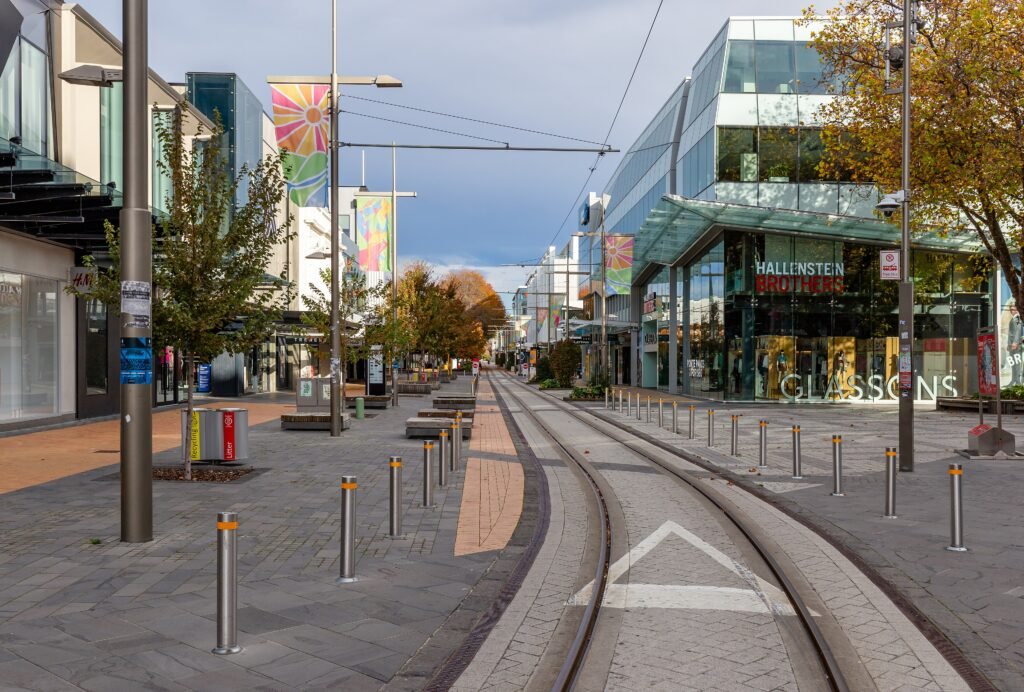
Christchurch’s walking guide shows why the city leads at 87/100. Cathedral Square, New Regent Street, Riverside Market, Cashel Street, the Art Gallery and Arts Centre connect inside a remarkably flat core. Hagley Park and the Botanic Gardens edge extend that sequence without introducing meaningful climbing. That unusually straightforward central pattern is the main reason Christchurch leads the group.
Metro buses remain useful for outer districts, yet they are not the reason Christchurch finishes first. The center itself works strongly on foot. Riccarton, Sumner, New Brighton and the Port Hills remain separate visitor areas rather than extensions of the core.
2. Wellington — the tightest big-city core, with hills immediately behind it
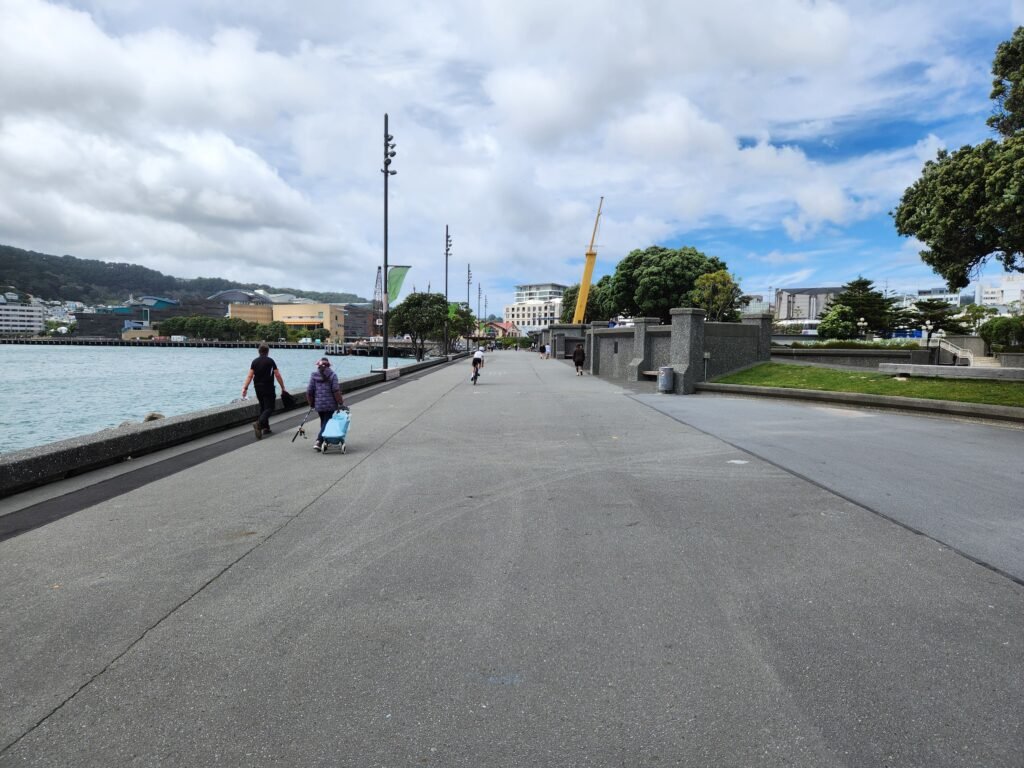
Wellington follows at 86/100 with an exceptionally coherent harbor-side chain. Railway Station, Parliament, Lambton Quay, the waterfront, Te Papa, Cuba Street and Courtenay Place connect naturally. Its central geography is similarly compact to Christchurch, but the walking effort changes quickly once the route leaves the waterfront.
Kelburn and Mount Victoria rise sharply behind the flatter center. Strong buses and the Cable Car make those climbs easier to manage, while Wellington also offers exceptionally straightforward car-free arrival. The Cable Car saves effort without making Kelburn part of the flat central core.
3. Queenstown — compact sightseeing with terrain close at hand
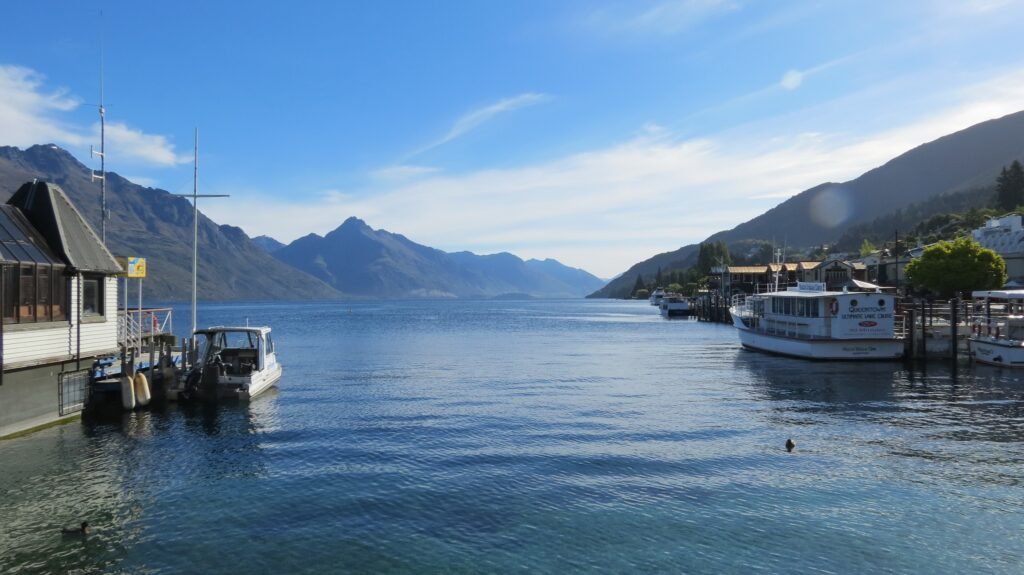
Queenstown’s compact lakefront core earns third place at 84/100. Queenstown Mall, Beach Street, Steamer Wharf, Marine Parade and Queenstown Gardens sit within a very tight central bowl. Central sightseeing is genuinely concentrated around the lakefront.
Terrain appears quickly beyond the waterfront. Brecon Street climbs toward Skyline, while Queenstown Hill and Fernhill demand more effort. Those climbs make the edges noticeably more demanding than the waterfront itself. Orbus is especially useful for Frankton, the airport and uphill accommodation, without making those places pedestrian neighbors.
4. Auckland — excellent transit cannot erase geographic spread
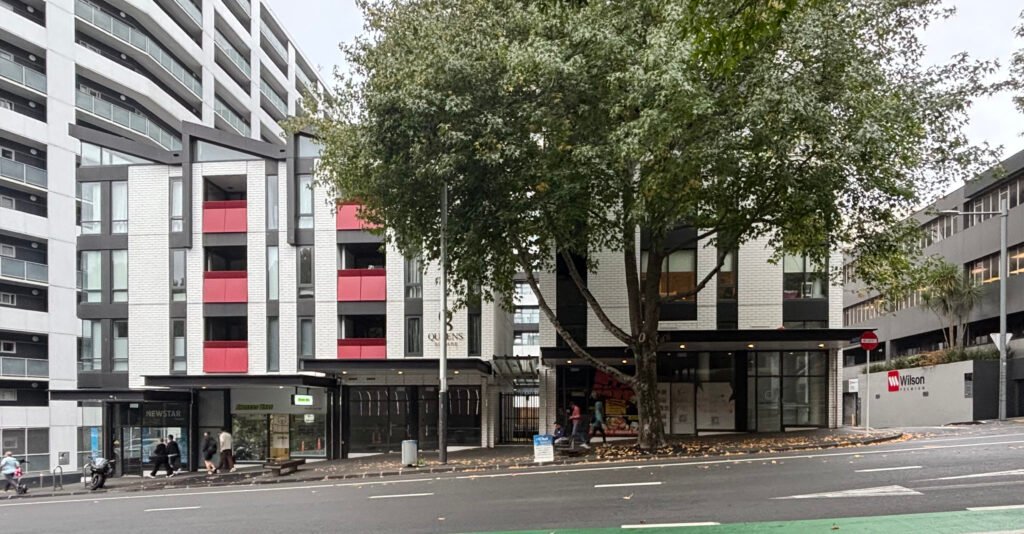
Auckland ranks fourth at 81/100. Britomart, Queen Street, the Viaduct and Wynyard Quarter make downtown a strong walking area. K Road, Ponsonby, Parnell and Auckland Domain stretch the visitor geography and introduce more climbing. That wider footprint makes Auckland less compact than the three cities above it.
Auckland has the strongest public-transport network in this group. Ferries, Link buses and trains make separated districts practical without a car, but they do not make them closer on foot. Airport arrival is less direct because public transport requires a transfer before reaching the center.
5. Dunedin — compact center, weaker transport beyond it
Dunedin’s central guide places the city fifth at 78/100. The Octagon, George Street, Railway Station, Toitū, Chinese Garden and Princes Street form a compact central chain. North Dunedin remains reasonably walkable, but the Botanic Garden and Baldwin Street extend the practical footprint.
Baldwin Street should not make the whole city sound steep. The central spine is considerably more manageable than that famous outer extreme suggests. Dunedin’s larger constraint is transport depth and airport arrival, leaving fewer easy backups for outer trips.
6. Rotorua — easy central walking, separated headline attractions
Rotorua finishes sixth at 77/100, but its central walking experience is stronger than that position suggests. The CBD, Eat Streat, lakefront, Government Gardens, Polynesian Spa and Kuirau Park connect naturally. Its central walking environment is one of the easier ones in this group.
The bigger penalty is geographic separation. Te Puia, Whakarewarewa, the Redwoods and Skyline sit well beyond the central loop, while transit is shallower. Public buses can reduce some of that distance, although service is less extensive than in Auckland or Wellington.
Flat Centers, Hillier Extensions
Terrain changes these weekends in different ways. Christchurch stands apart because the main visitor chain is exceptionally flat. Rotorua’s central area is also gentle, although its outer attractions create distance rather than steepness. Dunedin’s center is manageable before northern and hillside extensions add effort.
Wellington, Queenstown and Auckland introduce elevation much sooner. Wellington’s hills rise directly behind the waterfront. Queenstown changes from easy lakefront walking to genuine climbing around Brecon Street and Fernhill. Auckland’s waterfront is easier, while routes toward K Road and Parnell climb inland. Distance and terrain are separate problems, and each affects planning differently.
Compact Centers and Separated Headline Sights
Christchurch and Wellington keep a large share of first-time sightseeing inside coherent central networks. Queenstown does the same for its urban lakefront experience. These cities let visitors spend more of a short weekend moving between sights rather than repositioning between districts.
Auckland, Dunedin and Rotorua require more deliberate extensions. Auckland spreads into several distinct inner neighborhoods. Dunedin stretches north toward the university, Botanic Garden and beyond. Rotorua creates the clearest split because several headline attractions sit roughly four to five kilometers from the CBD.
When Transit Matters Most
Transit changes effort, not geography. Auckland depends on it most once visitors leave downtown, while Wellington uses it especially well against hills. Queenstown’s buses solve practical airport, Frankton and lodging gaps. Christchurch needs less transit inside its core. Dunedin and Rotorua benefit from buses too, but their networks offer less depth.
| City | How transit changes the weekend |
|---|---|
| Auckland | Most important once leaving downtown; ferries, Link buses and trains connect separated visitor districts. |
| Wellington | Especially useful for steep hills and an exceptionally strong no-car arrival. |
| Queenstown | Valuable for Frankton, the airport and uphill accommodation. |
| Christchurch | Useful for outer districts, but less necessary inside the compact flat core. |
| Dunedin | Practical backup for northern and outer areas, with less network depth. |
| Rotorua | Important for separated attractions, but evening usefulness is comparatively weaker. |
Best New Zealand City by Traveler Priority
| Traveler priority | Best fit | Why |
|---|---|---|
| Best overall | Christchurch | Compact central geography and unusually easy terrain create the strongest all-round result. |
| Best flat walking | Christchurch | The principal central sightseeing chain has negligible climbing. |
| Best compact big-city weekend | Wellington | Major cultural and waterfront sights fit into an exceptionally coherent central chain. |
| Best central lakefront walking | Queenstown | The Mall, waterfront, wharf, Marine Parade and gardens sit tightly together. |
| Best public transport | Auckland | Ferries, buses and trains provide the strongest network for connecting separated visitor districts. |
| Best airport arrival | Wellington | Its airport connection and central arrival pattern make starting the weekend especially straightforward. |
| Best for travelers who dislike hills | Christchurch; Rotorua | Christchurch is the clearest choice overall; Rotorua’s central terrain is also gentle. |
| Best for mixing walking and transit | Auckland; Wellington | Both use strong transit to make wider or steeper visitor geography practical. |
| Best compact center despite weaker transit | Dunedin | The core is coherent on foot even though outer-city mobility and airport arrival are weaker. |
Which New Zealand City Should You Choose?
Choose Christchurch when easy, flat central walking matters most. Wellington suits a compact cultural weekend when hills are acceptable with transit backup. Queenstown is strongest for tightly concentrated lakefront sightseeing. Auckland makes the most sense when strong public transport is part of the plan. Dunedin favors travelers happy with a compact center and fewer outer-city transport options. Rotorua works best when you accept separate bus trips for several major attractions.
Bottom Line
Christchurch wins overall because compact central visitor geography combines with unusually easy terrain. Wellington comes extremely close, but its hills increase walking effort almost immediately beyond the harbor core. Queenstown keeps central sightseeing exceptionally tight before terrain arrives around the edges. Auckland compensates for greater geographic spread with the group’s strongest transit. Dunedin and Rotorua both retain useful walkable centers, while weaker network depth or separated headline sights lower their overall results.