


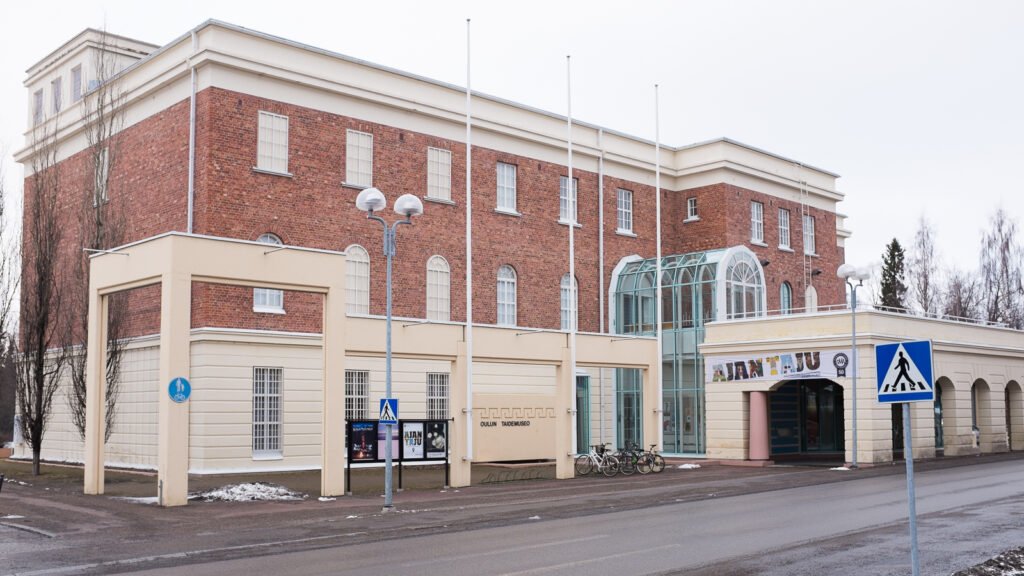
Oulu’s visitor core stretches from the railway station west to Market Square, then north through the river islands. Rotuaari and the cathedral sit inside that compact grid, while Myllytulli adds the main museum cluster nearby. Pedestrian bridges keep Linnansaari and Pikisaari connected rather than isolated by the Oulujoki delta. Oulu’s extensive path network also supports walking, though many routes share space with faster bicycle traffic. Nallikari breaks this pattern, sitting well outside the center and working better as a bus-assisted extension. The rest of a first weekend can stay largely within a flat, coherent walking area.
Why Oulu Works Well on Foot
Most first-time sightseeing can be arranged as one connected central walk. Market Square groups Toripolliisi, Market Hall, the granaries and the waterfront in one compact stop. Rotuaari then adds a pedestrian shopping street only a few minutes inland. The railway station is close enough to join the same walking geography, with VR placing Market Square one kilometer away. North of the center, Hupisaaret and Myllytulli extend the route through parks and museums rather than creating a separate district. Pedestrian bridges then carry the waterfront walk through Linnansaari to Pikisaari.
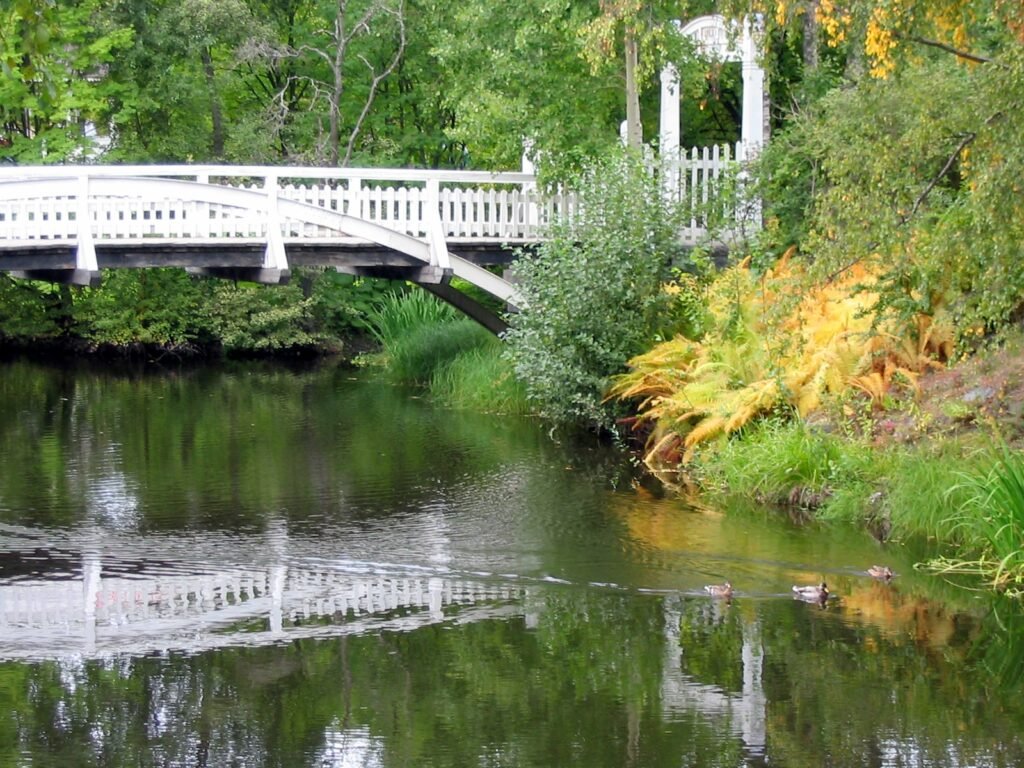
Oulu is famous for cycling, but the useful walking benefit comes from pedestrian access itself. The city maintains more than 900 kilometers of pedestrian and cycle paths, alongside dedicated river bridges and pedestrian streets. Those facilities make many routes continuous, but they do not turn every cycleway into a pedestrian advantage. Shared corridors can involve faster bicycle traffic, and ordinary city streets still require normal crossing awareness. For a visitor, Rotuaari, the river-island bridges and the maintained central paths matter more than the size of the cycling network.
Where the Walking Core Gets Less Compact
Nallikari is the clearest break from Oulu’s compact central pattern. The beach and Hietasaari nature areas sit outside the normal Market Square–Myllytulli walking circuit. OSL bus 15 reaches Nallikari directly, making it better treated as a separate half-day extension. Other regional nature destinations are farther again and should not be confused with the city-center experience. This separation is useful rather than problematic: the main museums, market waterfront, shopping streets and river islands remain concentrated, while buses handle the outings that genuinely sit beyond them.
Best Areas to Stay for a Walking Weekend
The Market Square and waterfront are the strongest base for immediate access to Toripolliisi, Market Hall, Linnansaari and Pikisaari. Rotuaari and the surrounding city center work equally well for shopping, restaurants and the short walk to the railway station. Official tourism listings place Radisson Blu beside Market Square, Scandic Oulu City beside Rotuaari, and Original Sokos Hotel Arina in the central shopping district. GreenStar is convenient for the station, while Hotel Lasaretti works well for Hupisaaret and Myllytulli. Staying at Nallikari trades central walkability for beach access and greater bus dependence.
Useful Walking Times
- Oulu Railway Station to Oulu Cathedral: about 6–8 minutes, using VR’s published 0.5-kilometer distance.
- Oulu Railway Station to Market Square: about 12–15 minutes; VR places the square one kilometer from the station.
- Market Square to Rotuaari: roughly 4–6 minutes through the compact central grid.
- Valkea to Oulu Art Museum: about 10–15 minutes, according to official visitor guidance.
- Market Square to Linnansaari: roughly 5–8 minutes via pedestrian bridges.
- Market Square to Pikisaari: roughly 10–15 minutes, continuing across the pedestrian bridge toward the wooden district.
- Oulu Art Museum to Hupisaaret: about 2–5 minutes because the museum sits directly beside the park.
- Oulu Art Museum to Tiima: roughly 5–8 minutes within Myllytulli.
These are practical visitor estimates for planning, not live-navigation guarantees. Snow, ice, events and individual walking pace can change the same short routes.
A 2-Day Walking Route
The first route moves from the railway gateway through the pedestrian center to the waterfront and islands. A separate second-day route follows a cultural and park sequence through Hupisaaret and Myllytulli.
Day 1: Railway Station, Rotuaari, Market Square and Pikisaari
Walking route
Day 1: Railway station, Rotuaari, Market Square and Pikisaari
- Oulu Railway Station
- Rotuaari
- Oulu Market Square
- Toripolliisi
- Oulu Market Hall
- Linnansaari
- Pikisaari
Start at Oulu Railway Station and walk west into Rotuaari before reaching Market Square. Visit Toripolliisi and Market Hall, then stay on the waterfront instead of returning inland. Continue over the pedestrian bridges to Linnansaari, where the castle remains and observatory add a short historical stop. From there, keep moving toward Pikisaari and finish among its wooden houses, studios and restaurants. The route avoids unnecessary backtracking and keeps the river-estuary crossings in one continuous progression.
Day 2: Cathedral, Hupisaaret, Art Museum and Tiima
Walking route
Day 2: Cathedral, Hupisaaret, Oulu Art Museum and Tiima
- Oulu City Hall
- Oulu Cathedral
- Hupisaaret Islands City Park
- Oulu Art Museum
- Museum and Science Centre Tiima
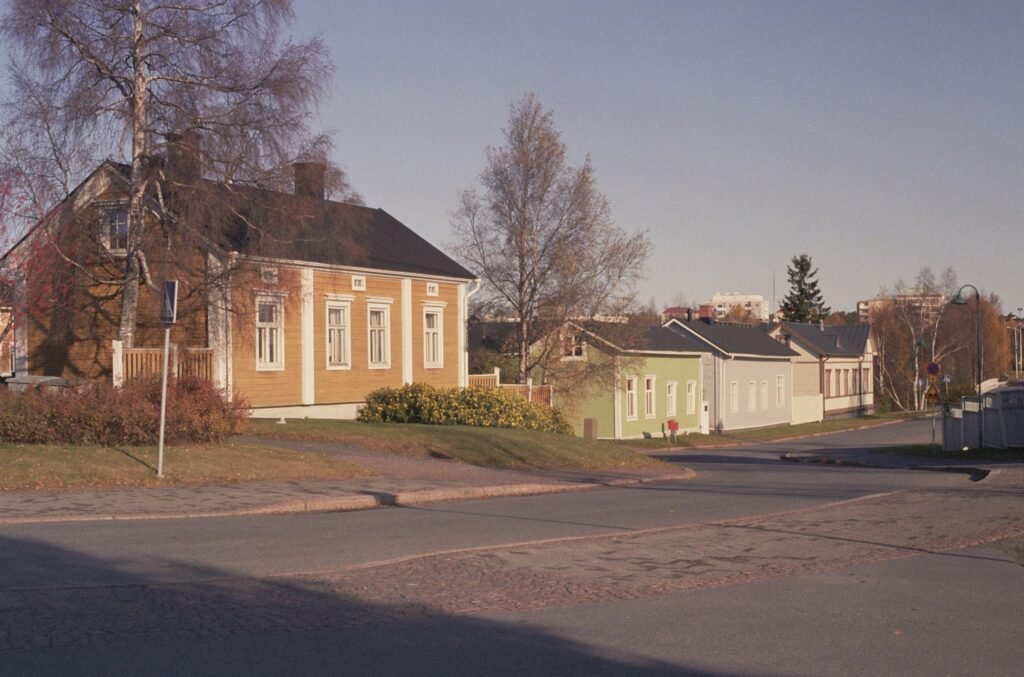
Begin at Oulu City Hall, then walk to the cathedral and continue north into Hupisaaret. Use the park paths and small bridges before reaching Oulu Art Museum on the Myllytulli side. Finish at the Museum and Science Centre Tiima, which opened in October 2026 and combines several major indoor attractions. This second day is deliberately shorter in distance because the museum stops can absorb several hours. If Nallikari is a priority, take bus 15 as a separate extension rather than adding a long out-and-back walk.

How Useful Is Public Transit?
OSL is most valuable when the walking core ends. The network covers Oulu and surrounding municipalities, while the journey planner makes routes and nearby stops easy to check. A contactless single ride currently costs €2.90 and remains valid for 90 minutes, including transfers. The system uses a zoneless fixed fare, so visitors do not need to calculate fare zones. Contactless bank cards and mobile wallets work on buses, and the OSL app also sells tickets. Current winter schedules preserve useful weekend service, although frequency varies by route and late-evening depth is not extensive.
For sightseeing, the most useful examples are straightforward. Lines 8 and 9 connect Oulu Airport with the bus network, while line 15 serves Nallikari. The central attractions themselves are usually faster to connect on foot. That makes transit a complement to Oulu’s walking geography rather than a substitute for it.
Arriving Without a Car
Rail is the easiest arrival for a walking weekend. Oulu Railway Station sits at Rautatienkatu 11 A, only 0.5 kilometers from the cathedral and one kilometer from Market Square. VR also provides luggage lockers, which can make an arrival-day walk practical before hotel check-in. Current long-distance timetables provide repeated services on Finland’s main rail network, including the Helsinki corridor. Check the day-specific VR timetable before travel because departure patterns vary by date.
Oulu Airport is farther from the center, but it still works without a private car. Finavia confirms that OSL buses 8 and 9 serve the airport. The direct public-transport link keeps the transfer simple, although it adds more time and handling than stepping off a train near the center. The convenient railway station therefore lowers overall arrival burden without making the airport transfer disappear.
When a Car Helps
A car is unnecessary for the standard Market Square, Rotuaari, museum and river-island weekend. Nallikari also has a practical bus connection, so even the main beach does not require driving. A car becomes more useful when the trip expands into the wider Oulu region or nature destinations beyond the regular city circuit. Those excursions should be planned separately because their distance says little about how compact the central visitor experience feels.
Walking Limitations and Practical Tips
- Many high-quality routes are shared pedestrian-and-cycle corridors, so watch for faster bicycle traffic and keep to marked sides where provided.
- Rotuaari is pedestrianized, but surrounding streets still use ordinary crossings and vehicle traffic.
- Nallikari sits outside the central walking circuit; use bus 15 when the beach is part of your plan.
- Winter maintenance is substantial, but snow, ice and slush can still change walking speed and footwear needs.
- Some island attractions and outdoor facilities are seasonal even though the walking routes remain accessible.
- Check OSL and VR live information before travel because temporary works or timetable changes should be treated as trip logistics, not permanent conditions.
Seasonal Walking Context
Oulu’s northern location changes comfort more than geography. Snow, ice, wind and limited winter daylight can make the same flat routes feel slower, while summer offers much longer daylight. The city formally ploughs and treats pedestrian and cycle paths according to maintenance classes, but conditions still vary during active weather. Waterproof footwear and traction can matter in winter. In warmer months, the Market Square, Pikisaari and waterfront become easier to combine with longer outdoor pauses. These seasonal differences affect planning, not the underlying street pattern.
Bottom Line
Oulu is a strong car-free weekend because its central sights form a flat, connected chain from the railway station to the river islands. Market Square, Rotuaari, Hupisaaret, the museum cluster and Pikisaari all fit naturally into walking days. OSL is most useful for the airport, Nallikari and other outer trips. Stay around Market Square, Rotuaari or the station side of the center, and most of the weekend can remain on foot.